Introduction: The Critical Role of Diet in Preparing Your Body for Conception
The journey to conception begins long before a positive pregnancy test. Preconception nutrition is one of the most powerful and immediate steps you can take to optimize your reproductive health. What you eat impacts everything from hormone balance and egg quality to sperm vitality.
Successfully conceiving and supporting a healthy early pregnancy is about creating the best possible environment—and that means removing certain roadblocks. We often focus on the supplements and vitamins we should take, but the most significant gains come from cutting out the obstacles.
This guide reveals the 7 devastating diet saboteurs—the key foods to avoid when trying to conceive—that may be secretly sabotaging your goals. By addressing these critical dietary shifts, you give your body the best chance to prepare for a successful pregnancy.
❌ Saboteur #1: The Inflammatory Fats (Trans Fats & Unhealthy Oils)
One of the top foods to avoid when trying to conceive is anything containing trans-fatty acids (TFAs). These are typically found in hydrogenated oils used in processed foods, packaged baked goods (cookies, crackers), fried items, and certain types of margarine.
TFAs are a major source of inflammation, which directly interferes with the body’s delicate hormonal processes. Research has shown a strong link between high consumption of trans fats and an increased risk of ovulatory infertility.
Saturated fats, while necessary in moderation, also need careful monitoring. Over-consumption of saturated fats can contribute to insulin resistance, which in turn disrupts hormone balance—a key component of healthy ovulation.
The solution is replacement, not just removal. Swap unhealthy oils and saturated fats for monounsaturated fats (MUFAs) like those found in olive oil, avocados, and nuts. Choosing these pro-fertility diet staples instead of inflammatory fats is a necessary step to support your reproductive journey.
❌ Saboteur #2: Processed Meats and Deli Slices
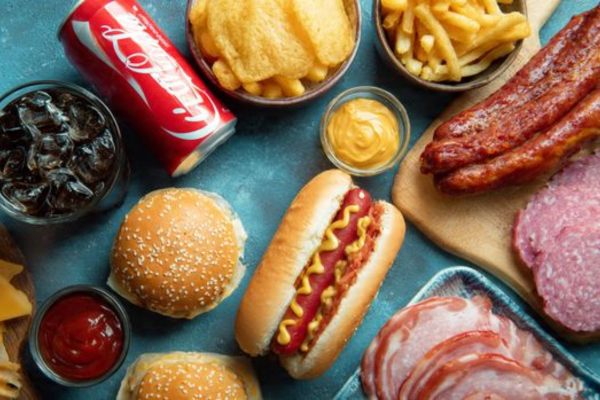
Deli meats, hot dogs, bacon, and sausages—these processed convenience foods are significant foods to avoid when trying to conceive. Their danger lies primarily in their high content of nitrates and nitrites, which are preservatives linked to cellular damage, and their overall profile of saturated fats and high sodium.
For men, regular intake of processed meats has been directly correlated with reduced sperm quality and lower sperm motility. For women, these meats introduce high levels of Advanced Glycation End products (AGEs) that contribute to inflammation and can negatively impact egg health.
Furthermore, some deli meats pose a Listeria risk, which is critical to avoid during the preconception phase and early pregnancy. Instead of relying on these convenient but damaging choices, focus on lean, unprocessed proteins like chicken, turkey, or plant-based alternatives to support reproductive health for both partners. These simple replacements minimize unnecessary chemical and fat exposure as you prepare for conception.
❌ Saboteur #3: Sugar-Sweetened Beverages & Refined Carbohydrates
Perhaps the most pervasive saboteurs in the modern kitchen are refined carbohydrates and sugar-sweetened beverages (SSBs) like soda and commercial fruit juices. These items have a high glycemic index (GI), causing rapid blood sugar spikes. Frequent spikes lead to insulin resistance, which is a common underlying cause of hormone imbalance and ovulation disorders, particularly in individuals with PCOS.
The direct relationship between high sugar intake and fertility is clear: studies link regular consumption of SSBs to a significantly longer time required to conceive. When your body is constantly dealing with these sharp insulin fluctuations, it disrupts the precise hormonal signaling needed for successful ovulation and implantation.
If you are looking for foods to avoid when trying to conceive that deliver the fastest results, cutting out soda and white-flour products is essential.
Replace these with complex, high-fiber carbohydrates like whole grains, legumes, and plenty of water or herbal teas. Opting for a complex carbohydrate source over a simple one provides steady energy and helps maintain the necessary balance for optimal egg and embryo quality.
❌ Saboteur #4: Too Much Caffeine: Finding Your Safe Daily Limit
For many, the morning coffee ritual is non-negotiable, but if you are trying to conceive, it’s one of the common foods to avoid when trying to conceive in excess. High caffeine intake acts as a stimulant that can negatively impact the reproductive system and increase the risk of miscarriage once pregnant.
The consensus among reproductive health experts establishes a safe caffeine limit of less than 200 mg per day. This is approximately equivalent to one 12-ounce cup of brewed coffee. The key is monitoring all sources—coffee, black tea, energy drinks, and even chocolate.
Consuming more than 300 mg daily has been associated with a prolonged time to conception. While you don’t necessarily have to quit cold turkey, sticking rigorously to the 200 mg limit is crucial. Switching to half-caff, decaf, or replacing a second cup with an herbal alternative is an excellent way to maintain your routine while respecting your body’s reproductive needs.
❌ Saboteur #5: High-Mercury Fish and the Neurotoxin Risk
Fish is generally a healthy choice, offering beneficial omega-3 fatty acids. However, certain large, long-lived fish accumulate high levels of mercury, a heavy metal that functions as a potent neurotoxin and endocrine disruptor. These are important foods to avoid when trying to conceive because mercury can compromise the quality of both egg and sperm cells.
The high-mercury fish to avoid when TTC include: Shark, Swordfish, King Mackerel, and Bigeye Tuna (often used in sushi). Fortunately, there are many safe, low-mercury fish that are rich in fertility-boosting Omega-3s. Prioritize smaller fish like salmon (wild-caught is best), sardines, anchovies, and trout.
These offer the reproductive health benefits of healthy fats without the risk of mercury toxicity, ensuring you get the essential nutrients without the harmful exposure.
❌ Saboteur #6: Alcohol: The Zero-Tolerance Policy During Conception
The research is detailed: when preparing the body for pregnancy, alcohol should be near the top of the foods to avoid when trying to conceive list. For women, alcohol consumption can disrupt the delicate balance of estrogen and progesterone, directly interfering with the menstrual cycle and ovulation.
For men, it can negatively affect sperm count, morphology, and motility—contributing significantly to male factor fertility issues.
Furthermore, there is no known safe amount of alcohol during pregnancy, and many women are unaware they are pregnant during the critical early weeks of embryonic development. The safest and most prudent approach is to adopt a zero-tolerance policy.
Eliminating alcohol completely removes the risk of prenatal exposure during the crucial implantation and early developmental windows, supporting the integrity of the embryo quality from the very start.
❌ Saboteur #7: Unpasteurized Dairy & Risky Deli Foods (Listeria Risk)
While some dairy is beneficial for fertility, unpasteurized products carry a specific bacterial risk that makes them definite foods to avoid when trying to conceive. Unpasteurized milk and soft cheeses (like Brie, Feta, Camembert, and Queso Fresco, if not clearly labeled as pasteurized) can harbor Listeria monocytogenes. Infection with Listeria can lead to severe illness and, tragically, increase the risk of miscarriage or stillbirth.
The goal here is safety. Always check labels and choose hard cheeses and pasteurized dairy products. This category of foods to avoid when trying to conceive also includes risky deli foods (like refrigerated pâtés) and certain raw or undercooked items.
Ensuring everything you consume is cooked thoroughly and safely is a small but critical step in optimizing your overall reproductive health and minimizing infection risk before pregnancy.
Nourish Your Journey: Fertility-Boosting Kitchen Staples
Once you’ve successfully identified the foods to avoid when trying to conceive, the next step is to fill your plate with pro-fertility diet staples. This is a powerful, positive pivot. Embrace a Mediterranean-style diet, focusing heavily on whole grains, nonheme iron (found in lentils and beans), and antioxidants from brightly colored fruits and vegetables. Increase your intake of monounsaturated fats (MUFAs) from avocados and olive oil.
These foods provide the necessary micronutrients—including folic acid, zinc, and Vitamin D—that are essential for egg and sperm maturation and hormone regulation. By replacing the seven saboteurs with nutrient-dense alternatives, you actively reduce inflammation, stabilize blood sugar, and create a resilient, welcoming environment for conception.
Conclusion: Making a Long-Term, Healthy Shift
Optimizing your diet by removing these seven saboteurs is one of the most proactive steps you can take on your fertility journey. The list of foods to avoid when trying to conceive is not meant to be restrictive, but empowering.
By eliminating inflammatory fats, excess sugar, and toxins, you are actively supporting hormonal health and giving your reproductive system the clean fuel it needs. View these changes as a long-term shift toward a healthier lifestyle that benefits your body now and prepares it fully for the demands of pregnancy.
Why is a pro-fertility diet important even before I get a positive pregnancy test?
Preconception nutrition is vital because eggs and sperm take months to fully mature. What you eat now directly influences the quality of the genetic material. By eliminating foods to avoid when trying to conceive, you regulate hormone balance, reduce inflammation, and improve the overall environment for conception. These changes maximize the viability of your gametes before fertilization even occurs.
Can one slip-up ruin my chances of conceiving?
No, fertility is determined by long-term patterns, not a single instance. Focusing on consistency and making a majority of your food choices fall within a pro-fertility diet is what truly matters. If you consume one of the foods to avoid when trying to conceive, simply return to your healthy eating habits at the next meal.
What should I swap out for deli meats and other processed foods?
Replace high-nitrate, high-sodium deli meats with lean, unprocessed proteins like grilled chicken breast, wild-caught salmon (low mercury), eggs, and plant-based proteins like lentils and beans. This switch helps maintain a better hormone balance and reduces exposure to saturated fats and preservatives. Prioritizing fresh, whole foods is the best defense against inflammation.
If I drink one cup of coffee daily, do I need to stop completely?
Most health organizations recommend keeping your daily caffeine intake below the 200 mg limit (roughly one 12-ounce cup of brewed coffee). While cutting back is beneficial, you don’t necessarily have to eliminate it entirely unless specifically advised by your doctor. The risk of miscarriage increases significantly above 300 mg. The goal is to moderate this item on the list of foods to avoid when trying to conceive rather than necessarily eliminating it entirely.
Does my partner need to worry about foods to avoid when trying to conceive, or is this only for women?
Diet impacts fertility for both men and women. Processed meats, excess sugar, and alcohol can significantly reduce sperm quality and motility, contributing to male factor fertility challenges. A pro-fertility diet is a partnership effort; both individuals should be mindful of the foods to avoid when trying to conceive to maximize the chances of a healthy pregnancy.