


This Fertility Clinic Guide explains what to expect when choosing a fertility clinic, especially as assisted reproduction now contributes to about 2.6% of all births in countries like the United States. With so many families relying on specialist support to conceive, we have written this guide to help you understand what a fertility clinic does, the main treatments available, and how we work with you in a compassionate, transparent, and carefully structured way.
Key Takeaways
| Common Question | Short Answer |
|---|---|
| What does a fertility clinic do? | A fertility clinic evaluates both partners, offers investigations, and provides treatments such as IVF, ICSI, IUI, genetic testing, and donor programs, all within a structured care pathway. You can learn more about the services we offer on our main fertility clinic page. |
| When is IVF usually recommended? | IVF is often considered when simpler options like timed intercourse or IUI have not worked, or when there are more complex fertility factors. Our overview of IVF procedures and treatments explains the typical steps. |
| How does a fertility clinic support male factor infertility? | We assess semen quality, suggest lifestyle changes, and may recommend treatments such as Intracytoplasmic Sperm Injection (ICSI) or donor sperm, depending on clinical findings. |
| Are there options if my eggs or sperm are not viable? | Yes, clinics may provide third‑party reproduction options like oocyte (egg) donation, sperm donation, or donor embryo adoption after careful counseling. |
| Can a fertility clinic help me preserve my fertility? | Yes, through egg, sperm, or embryo freezing. Our guide to cryopreservation and embryo freezing outlines how storage works. |
| Where can I learn more about fertility science and lifestyle factors? | We regularly publish articles on topics like stress, hormones, and male fertility in our fertility education hub, designed to support better understanding and informed choices. |
| How do I contact a fertility clinic for a consultation? | You can reach out directly to book a visit or virtual review. At The Life Fertility Clinic, our contact page explains how we schedule and prepare for initial consultations. |
Understanding the Fertility Clinic Guide: What a Fertility Clinic Is and How It Supports You
A fertility clinic is a specialised medical centre that focuses on helping individuals and couples who are finding it difficult to conceive or who want to plan their future fertility. We bring together fertility specialists, embryologists, nurses, counsellors, and support staff, all working around clearly defined protocols to investigate and support your reproductive health.
At a well‑structured clinic, you usually follow a pathway that starts with evaluation and ends with a personalised plan that fits your medical needs and preferences.
Throughout this journey, we aim to combine science, clear communication, and emotional support because fertility treatment is as much about your well-being as it is about laboratory techniques.


First Steps in a Fertility Clinic: Consultation and Testing
Your first visit to a fertility clinic usually focuses on understanding your history and identifying the possible reasons conception has not happened yet. We review medical background, previous pregnancies or losses, menstrual patterns, sexual health, lifestyle factors, and any prior test results.
Initial Consultation and Discussion
During this consultation, we listen carefully to your story and clarify your goals, whether you want to conceive now, preserve fertility, or explore donor options. We also discuss realistic timelines, potential investigations, and the possible need for advanced treatments depending on what the initial assessment suggests.
Fertility Testing and Diagnosis
Typical assessments for the female partner may include hormone blood tests, ultrasound scans, and sometimes imaging of the fallopian tubes to assess tubal patency. For the male partner, semen analysis examines appearance, volume, concentration, motility, and morphology, because both partners contribute equally to a potential pregnancy.
Creating a Personalised Plan
After initial testing, we develop a care plan that could involve natural cycle monitoring, lifestyle adjustments, IUI, IVF, or referral for genetic evaluation. We encourage questions at every step so that you understand the reasons for each recommendation and feel involved in every decision.


Core Fertility Clinic Treatment: IVF Procedures and Treatment Pathways
In vitro fertilisation, commonly called IVF, is one of the central treatments in many fertility clinics worldwide. In IVF, eggs are collected from the ovaries, fertilised with sperm in the laboratory, and the resulting embryos are monitored and later transferred to the uterus.
Typical IVF Steps in a Fertility Clinic
While protocols vary between clinics, a typical IVF pathway may include ovarian stimulation, monitoring scans, egg retrieval, fertilisation, embryo culture, and embryo transfer. Throughout, we adjust medications, timing, and laboratory strategies based on your individual response and previously agreed plan.
Supportive Care Around IVF
We also pay close attention to your mental and emotional well-being around IVF, because frequent visits and procedural steps can be demanding. Counselling, clear written information, and flexible scheduling help many patients feel more prepared for each phase.
Clinic Experience and Safety
Many national registries report that assisted reproduction cycles are widely practised in structured, regulated environments. For example, national data sources describe hundreds of thousands of cycles each year, which reflects both the demand for IVF and the level of experience developed in specialised centres.
ICSI and IUI: Less Invasive and Male-Factor Focused Options
Not every patient in a fertility clinic will need full IVF, and some can benefit from simpler or more targeted techniques. Two procedures that clinics often discuss are Intracytoplasmic Sperm Injection (ICSI) and Intrauterine Insemination (IUI).
ICSI in a Fertility Clinic Laboratory
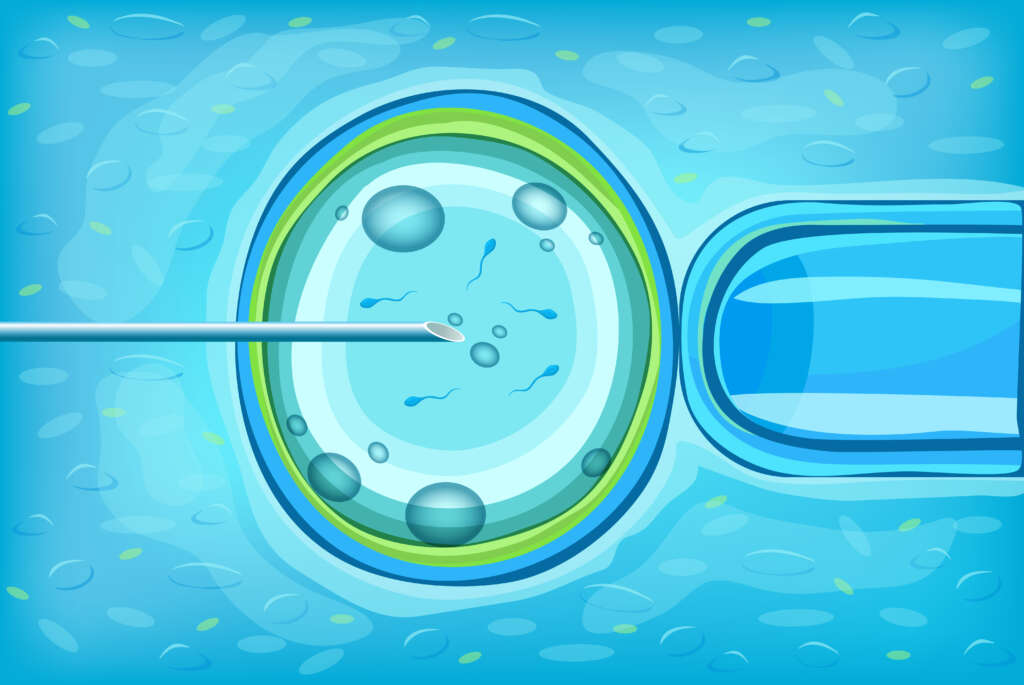
ICSI is a specialised technique usually combined with IVF in which a single carefully selected sperm is injected directly into an egg. Clinics may suggest ICSI in situations where there are male-factor concerns such as low sperm count, reduced motility, or unusual sperm shape, after full evaluation.
IUI as a Simpler Clinic Procedure
IUI is often described as a less invasive option compared to IVF, and many fertility clinics offer it for certain indications. In IUI, prepared sperm is placed directly into the uterus around the time of ovulation, with the aim of bringing sperm closer to the egg.
Comparing ICSI and IUI in Clinical Use
Although both involve sperm preparation, ICSI takes place in the lab with eggs that have been retrieved, while IUI takes place within the uterus. Your clinic team will explain why one option may be more appropriate than another based on medical findings and treatment history.
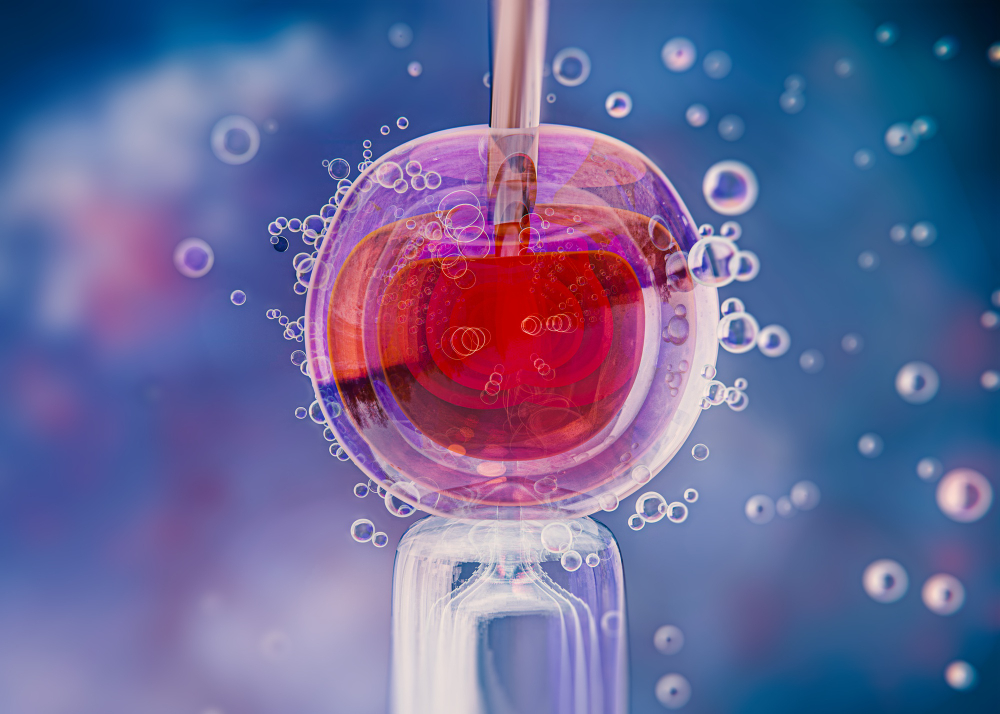
The total number of IVF cycles performed at 371 reporting clinics reached 432,641 in 2023, highlighting how frequently fertility clinics provide advanced treatments across just one year.
Genetic Screening in Fertility Clinics: Preimplantation Genetic Testing (PGT)
Many fertility clinics now offer Preimplantation Genetic Testing, usually called PGT, as part of their IVF programs. PGT involves analysing small samples from embryos in the laboratory before any transfer to the uterus takes place.
Why Clinics Use PGT
Clinics may recommend PGT in cases where there is a known inherited condition in the family or concerns about certain chromosomal rearrangements. The aim is to use detailed genetic information to support informed decisions about embryo selection within the overall treatment plan.
Types of PGT Offered in Clinics
Common categories include PGT for monogenic conditions and PGT for structural rearrangements, each guided by medical genetics principles. These tests are highly specialised, and clinics usually involve genetic counsellors to discuss implications, benefits, and limitations.
Ethical and Emotional Support
Fertility clinics pay careful attention to the ethical dimensions of genetic testing, including consent, privacy, and long‑term considerations. We encourage patients to take time, ask questions, and involve trusted family members or counsellors when deciding about PGT.

Third‑Party Reproduction in Fertility Clinics: Egg Donation, Sperm Donation, and Embryo Adoption
When a person’s own eggs or sperm are not suitable or available, fertility clinics may discuss third‑party reproduction options. These pathways require careful counseling, legal review, and clear communication so that everyone involved understands their role.
Oocyte (Egg) Donation in Clinic Settings
Egg donation can be considered for women with very low ovarian reserve, certain genetic conditions, or repeated difficulties producing good quality eggs. Clinics typically screen donors medically and psychologically, coordinate stimulation and retrieval, and then use the donated eggs in IVF cycles.
Sperm Donation Through a Fertility Clinic
Sperm donation is an option for individuals and couples experiencing severe male-factor infertility, single women, or same‑sex female couples who want to conceive. Fertility clinics follow strict criteria for donor eligibility, infection screening, and storage, and then use donor sperm in IUI or IVF cycles.
Donor Embryo Adoption
Some patients choose donor embryo adoption, which involves using embryos donated by other couples who have completed their family building. Clinics manage matching, legal agreements, and embryo transfer planning, always keeping confidentiality and ethical practice in view.

Cryopreservation: Fertility Preservation Through Freezing Sperm and Embryos
Cryopreservation is a key service in modern fertility clinics that allows sperm and embryos, and in some settings eggs, to be stored for future use. This can be important for medical reasons, such as before cancer treatment, or for personal and family‑planning preferences.
Clinic Workflow for Sperm Freezing
Sperm cryopreservation in a clinic usually involves semen collection, laboratory processing, mixing with protective media, and freezing in liquid nitrogen storage tanks. We then keep detailed records of storage duration, consent, and future use so that patients can return when they are ready.
Embryo Freezing in IVF Programs
In IVF, cryopreservation is also used for embryos that are not transferred in the same cycle but may be used later. This offers flexibility around timing and can support future attempts without repeating the full ovarian stimulation and retrieval process.
Why Fertility Preservation Matters
Fertility clinics increasingly see patients who are thinking ahead and want to preserve options for a later stage of life. We discuss the likely benefits, limitations, and responsibilities of long‑term storage so that you can make an informed choice.

Lifestyle, Stress, and Education: Holistic Support in Fertility Clinics
Clinical treatments are only one part of fertility care, and many clinics pay close attention to lifestyle, nutrition, and emotional health. Factors such as stress, sleep, body weight, and exposure to certain substances can interact with reproductive health in complex ways.
Stress and Fertility in Clinic Counseling
High stress levels can impact mental wellbeing and daily routines, which may indirectly influence the journey through fertility treatment. We encourage realistic expectations, coping strategies, and sometimes recommend counseling or support groups during intense treatment periods.
Education Resources from Clinics
Many fertility clinics provide articles, webinars, and one‑to‑one teaching sessions on topics like hormone balance, male reproductive health, and third‑party reproduction. These resources help you feel prepared for tests, understand medical terms, and recognise lifestyle changes that may be worth considering.
Partner and Family Involvement
We usually welcome partners or support persons in consultations whenever possible, because shared understanding can reduce anxiety. Patients often tell us that having someone else present helps them remember the information and feel more supported.

Safety, Regulation, and Quality Standards in Fertility Clinics
Fertility clinics operate within national regulatory frameworks that set standards for laboratory practice, storage, reporting, and patient safety. Across regulated countries, data show that incidents in fertility treatment cycles are reported but occur in a small minority of total procedures.
Monitoring and Reporting in Clinics
Clinics are usually required to report treatment cycles and outcomes to national registries, which supports transparency and ongoing quality improvement. These registries also provide population-level statistics that help patients and professionals understand trends in usage and outcomes.
Informed Consent and Risk Discussions
Every procedure in a fertility clinic is preceded by an informed consent process that explains potential benefits, risks, and alternative options. We encourage you to read documents carefully and ask for clarification so that you feel comfortable with each step.
Continuous Training and Protocol Review
Fertility clinic teams take part in ongoing education, protocol reviews, and external audits to keep aligning practice with current evidence and regulations. This quality culture aims to keep procedures as safe and consistent as possible within the limits of current knowledge.

Did You Know?
In the UK, more than 100,000 fertility treatment, storage, and donation cycles were conducted in 2024/25, and reported incidents occurred in less than 1% of those cycles, reflecting how much safety monitoring is built into modern fertility practice.
How to Choose the Right Fertility Clinic for Your Needs
Choosing a fertility clinic is a very personal decision, and it is helpful to look beyond location alone. Consider clinical services, communication style, transparency, and how comfortable you feel with the team who will accompany you.
Questions to Ask a Clinic
You may want to ask about the range of treatments, how monitoring works, what support is available between visits, and how results are shared. It can also be useful to ask how the clinic works with patients from abroad or those who have local monitoring elsewhere.
Evaluating Communication and Support
Pay attention to how clearly questions are answered and whether treatment information is presented in a way you can understand. Fertility treatment can involve complex decisions, so it matters that you feel heard and respected throughout.
Checking Services Fit Your Situation
Different clinics may have particular strengths, such as experience with male-factor infertility, recurrent pregnancy loss, or donor programs. Aligning your needs with clinic expertise can help you feel more confident that you are in the right place.
What to Expect Emotionally When Working With a Fertility Clinic
Fertility treatments often bring a mixture of hope, worry, and many questions, and we take these feelings seriously. Most patients tell us that having a predictable structure and a clear explanation of next steps makes the process feel more manageable.
Normalising Emotional Ups and Downs
It is common to feel different emotions at each stage, from anticipation before starting to uncertainty while waiting for results. Fertility clinics with a patient‑centred approach recognise this and encourage open conversation about how you are coping.
Support Services Available
Some clinics offer in‑house counseling, while others work closely with psychologists who understand the emotional side of infertility and treatment. You may also benefit from peer support groups or online communities, as long as information is balanced with professional guidance.
Building a Collaborative Relationship
We see fertility care as a partnership in which your views and values shape the decisions we take together. This collaborative approach helps many patients feel more empowered, even when outcomes are uncertain.
Conclusion
A fertility clinic is much more than a laboratory, it is a place where clinical science, careful procedures, and human support come together to help people build families or preserve their reproductive options. Whether you are exploring IUI, IVF, ICSI, PGT, donor pathways, or fertility preservation, understanding how clinics work can make each step feel clearer and less overwhelming. We believe that informed patients make the best partners in care, so we encourage you to ask questions, seek explanations, and take the time you need before deciding on any treatment. If you feel ready to learn more or discuss your own situation, a structured consultation at a fertility clinic can be a reassuring first step in your journey.