
For some women, pregnancy happens sooner than expected. For others, the journey takes longer, bringing questions they never imagined they would have to ask.
Why am I not getting pregnant? Could something be wrong with my hormones? Are my fallopian tubes blocked? Do I need IVF, or is there another treatment that might work?
These questions are more common than you might think. According to the World Health Organization (WHO), approximately one in six people of reproductive age worldwide experience infertility during their lifetime.
If you have been trying to conceive without success, visiting a female fertility clinic in Nigeria can help you move from uncertainty to a clearer understanding of your reproductive health.
A fertility clinic does more than recommend treatments. It investigates possible causes of infertility, explains your options, and helps you make informed decisions based on your circumstances.
At The Life Fertility Clinic in Lagos, Nigeria, women and couples can explore fertility assessments and assisted reproductive treatments, including in vitro fertilization (IVF) and intrauterine insemination (IUI).
In this guide, we’ll walk through the common causes of female infertility, the tests you may need, available treatments, and what to look for when choosing a fertility clinic in Nigeria.
What Is a Female Fertility Clinic?
A female fertility clinic is a specialized medical facility that evaluates, diagnoses, and treats conditions affecting a woman’s ability to conceive or maintain a pregnancy. While a general hospital may provide basic reproductive healthcare, a fertility clinic focuses more specifically on conception difficulties, reproductive investigations, and fertility treatments.
Depending on the facility, services may include:
- Fertility consultations and reproductive health assessments
- Hormonal testing and ovarian reserve evaluation
- Ovulation monitoring
- Pelvic and transvaginal ultrasound examinations
- Fallopian tube investigations
- Diagnosis and management of ovulation disorders
- Intrauterine insemination (IUI)
- In vitro fertilization (IVF)
- Egg donation and fertility preservation
- Other assisted reproductive technologies
One important thing to understand is that visiting a fertility clinic does not automatically mean you need IVF. Sometimes, the difficulty lies with irregular ovulation. In other cases, a hormonal condition, blocked fallopian tube, or uterine abnormality may be involved. And occasionally, the initial investigations reveal no obvious cause. The purpose of a fertility evaluation is to understand what may be happening before deciding which treatment, if any, is appropriate.
When Should You Visit a Female Fertility Clinic Nigeria?
You do not have to wait until you have been trying to conceive for several years before seeking professional help.
Medical guidelines generally recommend fertility evaluation:
- Under age 35: After 12 months of regular, unprotected intercourse without pregnancy.
- Age 35 and above: After six months of trying without success.
- Over age 40: Consider seeking fertility advice without delay.
These timelines are based on guidance from the American Society for Reproductive Medicine (ASRM). However, age and the duration of trying are not the only factors that matter. You should consider seeing a fertility specialist earlier if you have irregular or absent periods, severe menstrual pain, a history of pelvic infections, known endometriosis, suspected blocked fallopian tubes, or previous ovarian surgery.
Women who have experienced recurrent pregnancy losses may also benefit from a medical evaluation. Perhaps you have only been trying for a few months, but your menstrual cycle has never been regular. Or you have previously been diagnosed with PCOS and are unsure how it might affect your chances of conception.
Those are reasonable concerns to discuss with a specialist.
Seeking help early does not mean assuming something is wrong. It simply gives you an opportunity to understand your reproductive health and identify issues that may need attention.
What Are the Common Causes of Female Infertility?
Female infertility is not one condition with one solution. It can involve several parts of the reproductive system, and sometimes more than one factor is responsible. Understanding the possible causes is often the starting point for choosing an appropriate treatment.
1. Polycystic Ovary Syndrome (PCOS)
Polycystic ovary syndrome, commonly called PCOS, is a hormonal condition that can interfere with normal ovulation. Women with PCOS may experience irregular menstrual periods, acne, increased facial or body hair, or difficulty conceiving. However, not everyone with PCOS has the same symptoms, and having PCOS does not automatically mean you are infertile.
Can a woman with PCOS get pregnant?
Yes. Many women with PCOS conceive naturally, while others may need treatment to support regular ovulation. Depending on the individual, treatment may involve lifestyle changes, medication to stimulate ovulation, or assisted reproductive techniques. The appropriate approach depends on factors such as age, menstrual history, other fertility findings, and reproductive goals.
2. Blocked or Damaged Fallopian Tubes
The fallopian tubes are important because they provide the usual location where sperm meets an egg during natural conception. When a tube is blocked or damaged, this process may be disrupted. Tubal damage can result from previous pelvic infections, pelvic inflammatory disease, endometriosis, or certain abdominal and pelvic surgeries.
Some women have no symptoms and only discover a tubal problem during fertility investigations. A test called a hysterosalpingogram (HSG) may be recommended to assess whether the tubes are open. If both fallopian tubes are severely damaged or blocked, IVF may be considered because fertilization occurs outside the body.
3. Endometriosis
Endometriosis occurs when tissue similar to the lining of the uterus grows outside the uterus. It can cause painful periods, chronic pelvic discomfort, pain during intercourse and, in some cases, difficulty conceiving. What makes endometriosis particularly challenging is that symptoms do not always reflect the extent of the condition. Some women experience severe pain, while others have few noticeable symptoms.
Treatment decisions depend on the woman’s age, symptoms, medical findings, and fertility plans. For some patients, surgery may be considered. Others may benefit from assisted reproductive treatment.
4. Uterine Fibroids
Fibroids are non-cancerous growths that develop in or around the uterus. They are relatively common, and many women with fibroids become pregnant without fertility treatment. However, certain fibroids can affect fertility, particularly when they change the shape of the uterine cavity. A fertility specialist may recommend ultrasound imaging or additional investigations to determine whether fibroids could be contributing to conception difficulties. Importantly, not every fibroid needs to be removed before pregnancy.
5. Hormonal Imbalances and Ovulation Disorders
For pregnancy to occur naturally, an egg must be released from the ovary. When ovulation happens irregularly or not at all, conception may become more difficult. Several conditions can affect ovulation, including PCOS, thyroid disorders, elevated prolactin levels, and other hormonal disturbances. Some women notice irregular periods. Others may have no obvious symptoms. Hormonal investigations and a review of menstrual history can help determine whether ovulation is occurring and whether treatment is necessary.
6. Age-Related Fertility Decline
Age is an important factor in female fertility. Women are born with a finite supply of eggs, and both egg quantity and quality generally decline over time. Although this process is gradual, fertility decline becomes more noticeable during the late 30s and early 40s. This does not mean that pregnancy is impossible after a particular birthday. Rather, the chances of conception and the outcomes of fertility treatment change with age. If you are concerned about delaying pregnancy, a fertility specialist can help you understand your reproductive options.
7. Unexplained Infertility
Sometimes, a woman undergoes fertility investigations, her partner completes a semen analysis, and the results appear reassuring. Yet pregnancy still does not happen. This situation may be described as unexplained infertility. It can be frustrating because there is no single identified problem to address. However, unexplained infertility does not mean that treatment is impossible. Depending on the couple’s circumstances, a specialist may recommend continued attempts at natural conception, IUI, IVF, or other clinically appropriate options.
What Fertility Tests Are Available for Women in Nigeria?
Common fertility tests for women in Nigeria include hormonal blood tests, transvaginal ultrasound, ovarian reserve assessment, ovulation evaluation, and fallopian tube investigations.
The exact tests recommended depend on your age, symptoms, medical history, and previous fertility investigations. A good fertility evaluation should answer relevant clinical questions rather than simply involve as many tests as possible.
Anti-Müllerian Hormone (AMH) Test
The AMH test measures a hormone produced by small follicles in the ovaries. It helps doctors estimate ovarian reserve, which refers to the remaining quantity of eggs. AMH testing can be particularly useful when planning ovarian stimulation for IVF. However, there is an important distinction: AMH does not directly measure egg quality or reliably predict whether a woman can become pregnant naturally. A low AMH result should therefore not be interpreted as proof that natural conception is impossible.
Follicle-Stimulating Hormone (FSH) Test
FSH is involved in the development of ovarian follicles. Doctors may assess FSH alongside other hormone results and clinical findings to better understand ovarian function. The timing of testing can matter because hormone levels change during the menstrual cycle.
Transvaginal Ultrasound
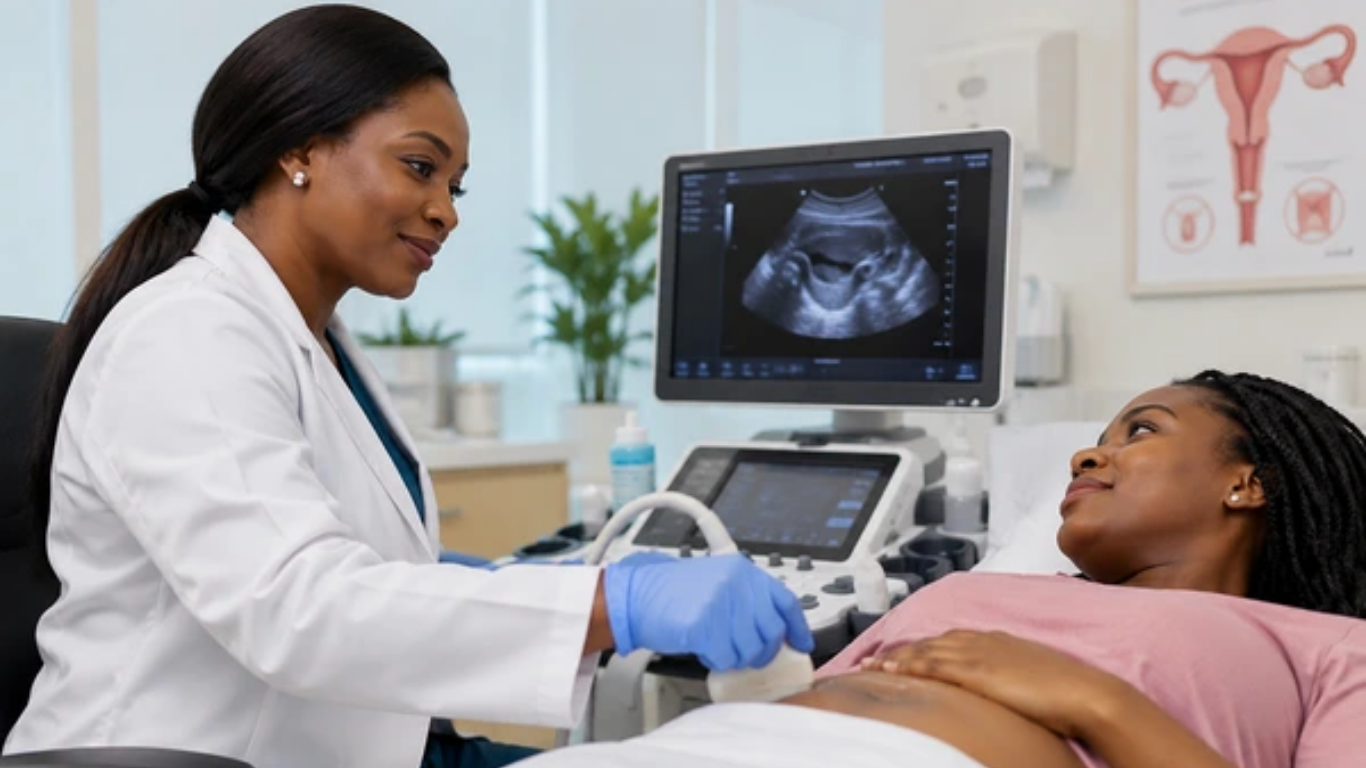
A transvaginal ultrasound allows a clinician to examine the ovaries, uterus and surrounding reproductive structures. It may help identify ovarian cysts, fibroids, and certain uterine abnormalities. Doctors may also use ultrasound to assess antral follicle count, which contributes to ovarian reserve evaluation.
Hysterosalpingogram (HSG)
An HSG is an imaging test used to assess the uterine cavity and whether the fallopian tubes are open. During the procedure, contrast material is introduced through the cervix while X-ray images are taken. Although some women experience temporary discomfort, the investigation can provide useful information about potential tubal problems. Your specialist will determine whether HSG is appropriate for you.
Ovulation Assessment
Ovulation may be assessed through menstrual history, blood tests or ultrasound monitoring. For women with regular menstrual cycles, additional testing to confirm ovulation may not always be necessary. Other investigations, such as thyroid function or prolactin testing, may be recommended when symptoms or medical findings suggest a possible hormonal condition.
Remember: Fertility testing should also consider the male partner when applicable. A semen analysis is often an important part of evaluating a couple experiencing infertility.
Female Infertility Treatment Options in Nigeria
There is no universal treatment for female infertility. What works for a woman with irregular ovulation may not be suitable for someone with blocked fallopian tubes or advanced endometriosis. This is why diagnosis matters. Below are some of the treatments that may be available at a specialist fertility clinic in Nigeria.
1. Ovulation Induction
Ovulation induction involves using medication to help the ovaries develop and release eggs. It may be recommended for women who do not ovulate regularly, including some women with PCOS. Treatment requires medical supervision because fertility medication can cause side effects and may increase the likelihood of multiple pregnancy.
2. Intrauterine Insemination (IUI)
Intrauterine insemination is a fertility treatment in which specially prepared sperm is placed directly into the uterus around the time of ovulation.
The aim is to bring sperm closer to the egg and improve the opportunity for fertilization. IUI may be considered for selected cases of unexplained infertility, ovulation disorders or mild male-factor infertility. It is generally less invasive than IVF, although it is not suitable for every fertility condition. For example, women with both fallopian tubes completely blocked would not usually benefit from conventional IUI.
3. In Vitro Fertilization (IVF)
IVF is one of the most widely recognized assisted reproductive treatments. During IVF, eggs are collected from the ovaries and fertilized with sperm in a laboratory. An embryo may then be transferred into the uterus. IVF may be considered when a woman has significant fallopian tube damage, certain cases of endometriosis-associated infertility, unexplained infertility, or other conditions affecting conception.
A typical IVF process involves ovarian stimulation, monitoring, egg retrieval, laboratory fertilization, embryo development and embryo transfer. However, not every IVF cycle progresses through all these stages, and treatment does not guarantee pregnancy. Age, egg quality, sperm factors, embryo development, and other medical circumstances influence outcomes.
4. Intracytoplasmic Sperm Injection (ICSI)
ICSI is a specialized laboratory technique performed during IVF. It involves injecting a single sperm directly into an egg to assist fertilization. This approach may be useful in certain cases involving sperm-related fertility problems or previous fertilization difficulties. It is not automatically necessary for every woman undergoing IVF.
5. Egg Donation
Egg donation may be considered when pregnancy using a woman’s own eggs is unlikely or medically unsuitable. The process involves using eggs from a donor as part of assisted reproductive treatment. Because egg donation involves important medical, legal and emotional considerations, patients should receive appropriate information and counselling before proceeding.
6. Fertility Preservation
Fertility preservation involves storing eggs, embryos or other reproductive material for possible future use. It may be considered by women who need medical treatment that could affect fertility or those who wish to explore options for delaying pregnancy. However, fertility preservation does not guarantee future pregnancy. A specialist can explain whether it is appropriate, the available procedures and their limitations.
IUI vs IVF: Which Treatment Is Better?
If you have been researching fertility treatment in Nigeria, you have probably encountered both IUI and IVF. Although the treatments share the goal of helping patients conceive, they work differently.
| Factor | IUI | IVF |
|---|---|---|
| Procedure | Prepared sperm placed in the uterus | Eggs fertilized outside the body |
| Complexity | Generally simpler | More medically involved |
| Fallopian tubes | Usually requires at least one functioning tube | Can bypass tubal blockage |
| Laboratory fertilization | Not required | Required |
| Treatment cost | Generally lower per cycle | Generally higher per cycle |
| Typical use | Selected mild fertility problems | More complex fertility conditions |
Neither option is automatically better for everyone. For example, IUI may be reasonable when at least one fallopian tube is functioning and other fertility factors are favourable. IVF may be recommended when there is significant tubal disease or when other treatments are unlikely to be effective. The right decision should be based on your diagnosis, age, medical history and realistic expectations.
How Much Does Female Fertility Treatment Cost in Nigeria?
The cost of female fertility treatment in Nigeria depends on the type of care required, the clinic, diagnostic investigations, medications and any additional procedures involved.
There is no single amount that accurately represents the cost of fertility treatment for every patient. A woman who needs hormonal investigations and ovulation management will likely have a different treatment plan from someone undergoing IVF with additional laboratory procedures. Similarly, two patients undergoing IVF may require different medications or treatment protocols. Before beginning treatment, ask your fertility clinic for a clear breakdown of what is included.
Questions worth asking include:
- Are fertility investigations included in the treatment package?
- Will medications be charged separately?
- Does the quotation cover ultrasound monitoring?
- Are laboratory procedures included?
- Are embryo freezing and storage separate services?
- What happens financially if a cycle is cancelled or treatment needs to change?
- Are follow-up consultations included?
Transparent communication about costs can help you plan and avoid unexpected expenses. For accurate, current information, contact The Life Fertility Clinic directly and request an individualized estimate based on your treatment needs.
How to Choose the Right Female Fertility Clinic in Nigeria
Choosing a fertility clinic can feel overwhelming, particularly when several facilities advertise advanced technology, experienced specialists, and successful treatments. While these details may be important, they should not be the only things guiding your decision.
Here are a few factors worth considering.
Qualified and Experienced Fertility Specialists
Find out who will be responsible for your care. Ask about the qualifications, professional registration, and experience of the doctors and other healthcare professionals involved in fertility treatment. A good specialist should be willing to explain your diagnosis and answer your questions without making unrealistic promises.
Appropriate Diagnostic and Laboratory Services
Fertility treatment relies on accurate investigations. Ask whether the clinic offers the tests relevant to your condition and how laboratory procedures are performed or coordinated. If you are considering IVF, you may also want to understand the clinic’s embryology services and laboratory quality processes.
Individualized Treatment Plans
Not every woman needs the same fertility treatment. A clinic should consider your age, medical history, fertility diagnosis, reproductive goals and preferences before recommending a procedure. Be cautious of any facility that recommends an expensive treatment without explaining the medical reasoning behind it.
Clear Information About Success Rates
IVF success rates can be useful, but they require context. A clinic reporting pregnancy rates is not necessarily reporting live birth rates.
Outcomes also vary according to age, diagnosis, whether donor eggs are used, and other factors. Ask how the clinic measures success and whether the information is relevant to patients with circumstances similar to yours.
Transparent Communication and Patient Support
Fertility treatment can be emotionally demanding. You should feel comfortable asking questions about procedures, possible side effects, timelines, and expected outcomes. A supportive clinical environment does not remove every uncertainty, but it can make the process easier to understand and navigate.
Why Consider The Life Fertility Clinic in Lagos, Nigeria?
If you are looking for a female fertility clinic in Lagos, The Life Fertility Clinic is one of the facilities you can consider for reproductive health assessment and assisted conception services. Located in Dopemu, Agege, Lagos, the clinic offers fertility-related services for individuals and couples seeking medical assistance with conception. Its services include IVF, IUI, ICSI, egg donation and embryo freezing, alongside other assisted reproductive options.
The clinic’s approach emphasizes individualized fertility care, recognizing that reproductive health concerns differ from one patient to another. Whether you are seeking an initial fertility evaluation or exploring assisted reproductive treatment, a consultation provides an opportunity to discuss your medical history and available options.
Where Is The Life Fertility Clinic Located?
The Life Fertility Clinic
34 Oyinlola Street, by Adeolu Bus Stop, Lagos-Abeokuta Expressway, Dopemu, Agege, Lagos, Nigeria.
Website: https://thelifefertility.com/
Patients can contact the clinic through its official website to enquire about appointments, treatment availability and current fees.
What Happens During Your First Fertility Consultation?
For many women, the first appointment comes with a mixture of hope, nervousness and questions. You might wonder whether you will need several tests immediately or whether your doctor will recommend treatment that same day. In reality, the first consultation is usually about understanding your situation.
Your Medical History Comes First
Your fertility specialist may ask about your menstrual cycle, previous pregnancies, how long you have been trying to conceive and any existing medical conditions. You may also be asked about previous surgeries, medications and fertility investigations. Some questions may feel personal, but they help the clinician build a clearer picture of your reproductive health.
Previous Test Results May Be Reviewed
If you have already completed hormonal tests, ultrasound examinations or other fertility investigations, bring the reports along. They may help your doctor determine which findings are still relevant and whether additional tests are needed.
Further Investigations May Be Recommended
Depending on your symptoms and medical history, your specialist may recommend ultrasound imaging, hormonal investigations or fallopian tube assessment. Not every test is performed immediately. Some investigations are scheduled for particular stages of the menstrual cycle.
Your Partner May Also Need Testing
Infertility does not always originate from the female reproductive system. Male-factor infertility can contribute to conception difficulties, so semen analysis may be recommended when appropriate. Evaluating both partners can help avoid unnecessary delays or treatments.
You Will Discuss the Next Steps
Once sufficient information is available, your specialist can explain the findings and discuss possible treatment options. This is also the right time to ask about expected outcomes, potential risks, treatment duration, and costs. You should leave the consultation with a better understanding of the next steps, even if a final diagnosis requires additional investigations.
Can Lifestyle Changes Improve Female Fertility?
Lifestyle choices can influence reproductive health, but they are not a cure for every fertility condition. For women planning pregnancy, maintaining a balanced diet, exercising regularly, avoiding smoking and managing existing health conditions may support general wellbeing. It is also advisable to discuss medications and supplements with a healthcare professional before conception.
Understanding your menstrual cycle and fertile window may also help when trying to conceive naturally. However, lifestyle changes alone cannot reliably resolve conditions such as severe tubal blockage or significant ovarian insufficiency. If you have been trying to conceive without success, do not rely exclusively on supplements, online remedies, or lifestyle advice when a medical evaluation is indicated.
Frequently Asked Questions About Female Fertility Clinics in Nigeria
Which clinic treats female infertility in Nigeria?
Specialist fertility clinics across Nigeria evaluate and treat female infertility. The Life Fertility Clinic in Dopemu, Agege, Lagos, offers fertility assessments and assisted reproductive treatments, including IVF and IUI. Your choice should depend on your medical needs, location, and the clinic’s available services.
What is the best fertility test for a woman?
There is no single best fertility test for every woman. Doctors may recommend hormonal blood tests, ultrasound examinations, ovulation assessment or fallopian tube investigations based on age, symptoms, and medical history.
Where can I find a female fertility clinic in Lagos?
The Life Fertility Clinic is located at 34 Oyinlola Street, Dopemu, Agege, Lagos, Nigeria. The clinic provides fertility-related assessments and assisted reproductive services. Contact the clinic to enquire about appointments.
How long does female fertility testing take?
The duration varies. Some investigations can be completed during an initial visit, while others need to be scheduled at specific stages of the menstrual cycle. Your specialist can explain the expected timeline.
Can I get pregnant naturally after fertility treatment?
Natural conception may remain possible for some women, depending on the underlying cause of infertility. A fertility specialist can explain the likelihood based on your diagnosis and medical history.
Does every woman experiencing infertility need IVF?
No. Some women may benefit from ovulation medication, treatment of underlying conditions or IUI. IVF is recommended when clinically appropriate, rather than automatically being the first option.
At what age should a woman see a fertility specialist?
Women under 35 are generally advised to seek fertility evaluation after 12 months of trying without success. Women aged 35 or older should seek help after six months, while women over 40 may benefit from earlier assessment.
How much does IVF cost in Nigeria?
IVF costs vary depending on the fertility clinic, medications, laboratory procedures and additional services required. Contact your chosen clinic for a current, personalized quotation and a clear explanation of what is included.
Can PCOS cause infertility?
Yes. PCOS can interfere with regular ovulation and make conception more difficult. However, many women with PCOS conceive naturally or with appropriate medical treatment.
Can a woman with blocked fallopian tubes get pregnant?
Yes, pregnancy may still be possible depending on whether one or both tubes are blocked and the extent of the damage. IVF may be recommended in certain cases because it bypasses the fallopian tubes.
Take the Next Step Towards Understanding Your Fertility
Trying to conceive can bring a lot of questions, especially when things are not happening as quickly as you hoped. But difficulty getting pregnant does not automatically mean pregnancy is impossible. There are different reasons conception may be delayed, and many of them can be investigated and managed with appropriate medical care.
Whether you are concerned about irregular periods, PCOS, blocked fallopian tubes, or unexplained infertility, understanding your reproductive health is an important place to begin. At The Life Fertility Clinic in Lagos, Nigeria, women and couples can enquire about fertility assessments and assisted reproductive treatments tailored to their circumstances.
You do not need to have every answer before scheduling a consultation. That is part of what the consultation is for.
Ready to understand your fertility options?
Visit https://thelifefertility.com/ to learn more about available services or enquire about booking a fertility consultation.
Medical disclaimer: This article is provided for educational purposes only and does not replace professional medical advice, diagnosis or treatment. Fertility outcomes vary, and no fertility procedure guarantees pregnancy.