Introduction
Understanding how to make your reproductive system healthy is crucial for anyone looking to enhance their fertility and reproductive functions.
Ensuring a healthy reproductive system is essential for overall well-being and can significantly impact your ability to conceive and maintain hormonal balance.
If you’re wondering how to make your reproductive system healthy, this comprehensive guide offers top 10 tips and actionable advice to help you achieve optimal reproductive health. From dietary choices to lifestyle adjustments, these tips are designed to support both men and women in their journey toward reproductive wellness. https://my.clevelandclinic.org/health/articles/9118-female-reproductive-system
Table of Contents
Overview of Key Tips
To effectively learn how to make your reproductive system healthy, it’s important to consider a holistic approach that incorporates various lifestyle factors. In this guide, we’ll explore top strategies that can help maintain and improve reproductive health.
From adopting a nutrient-rich diet and staying hydrated to managing stress and avoiding harmful habits, these key tips are designed to provide practical advice for enhancing reproductive function. By integrating these recommendations into your daily routine, you can support your reproductive health and create a solid foundation for future well-being.
10 Tips on How to Make Your Reproductive System Healthy
Tip 1: How to Make Your Reproductive System Healthy with Maintaining a Balanced Diet
Maintaining a balanced diet is fundamental to how to make your reproductive system healthy. A well-rounded diet provides the essential nutrients your body needs to support reproductive functions and hormonal balance.
Key nutrients such as vitamins, minerals, and healthy fats play a significant role in ensuring your reproductive system operates efficiently. By focusing on a diet rich in these nutrients, you can enhance fertility, regulate menstrual cycles, and promote overall reproductive health.
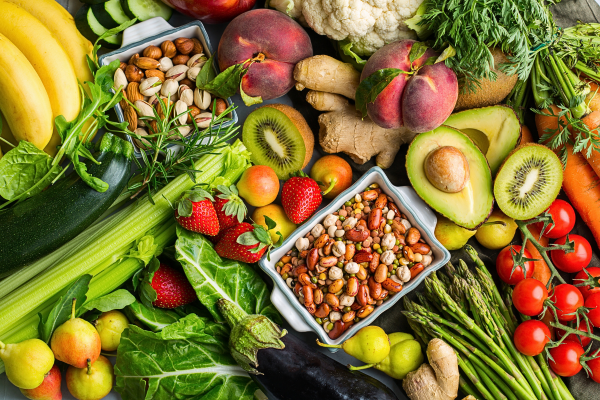
Nutrients Essential for Reproductive Health
When considering how to make your reproductive system healthy, incorporating specific nutrients into your diet is crucial. Vitamins like folic acid and vitamin D, along with minerals such as zinc and magnesium, are particularly important. Folic acid supports cell division and DNA synthesis, which is essential for fertility and pregnancy.
Vitamin D helps regulate the reproductive hormones and supports a healthy menstrual cycle. Zinc and magnesium contribute to hormone production and balance, impacting both male and female reproductive health. Ensuring you get adequate amounts of these nutrients through a balanced diet or supplements can greatly benefit your reproductive system.
Foods to Include and Avoid
To optimize how to make your reproductive system healthy, choosing the right foods is key. Fruits and vegetables are high in antioxidants, which can help shield your reproductive cells from harm and promote the health of your reproductive system as a whole. Incorporating sources of healthy fats, like avocados and nuts, can also promote hormonal balance. https://thelifefertility.com/natural-ways-to-become-fertile-expert-tips-for-enhancing-fertility/
On the other hand, it’s important to avoid processed foods high in sugar and unhealthy fats, which can negatively affect your reproductive system and overall health. Reducing caffeine and alcohol intake is also recommended, as these substances can disrupt hormonal balance and fertility. By focusing on nutrient-dense, whole foods and minimizing harmful options, you can significantly enhance your reproductive health.
Tip 2: Stay Hydrated
Staying hydrated is a simple yet effective strategy to make your reproductive system healthy. Proper hydration is vital in maintaining bodily functions, including those related to reproductive health.
Water supports various processes in the body, such as nutrient transportation and waste removal, which are essential for optimal reproductive function. By ensuring you drink enough water, you can help keep your reproductive system in balance and support your overall health.

Benefits of Proper Hydration
Understanding how to make your reproductive system healthy involves recognizing the benefits of proper hydration. Water helps to maintain the health of the mucous membranes in the reproductive tract, which is crucial for fertility. Adequate hydration supports the production of cervical mucus, which plays a role in the sperm’s journey through the reproductive system.
Additionally, staying well-hydrated helps regulate body temperature and support the function of reproductive hormones. This can contribute to a more regular menstrual cycle and improved fertility, making hydration a key component of reproductive health.
Recommended Daily Water Intake
To effectively support how to make your reproductive system healthy, it’s important to adhere to recommended daily water intake guidelines. Generally, adults should aim for about 8 glasses, or 2 liters, of water per day. Individual requirements, however, could change depending on things like environment, exercise level, and body size.
It’s also beneficial to adjust your water intake if you are pregnant, breastfeeding, or engaging in strenuous physical activity. Monitoring your hydration levels by paying attention to thirst and urine color can help ensure you meet your body’s needs and maintain optimal reproductive health.
Tip 3: Exercise Regularly
Exercise is a crucial element in how to make your reproductive system healthy. Engaging in regular physical activity not only boosts overall health but also supports reproductive function by improving circulation, reducing stress, and maintaining a healthy weight. Regular exercise contributes to hormonal balance and can enhance fertility, making it an important aspect of a holistic approach to reproductive wellness.
Types of Exercise Beneficial for Reproductive Health
When exploring how to make your reproductive system healthy through exercise, it’s beneficial to focus on activities that support both cardiovascular and muscular health. Aerobic exercises like walking, jogging, and swimming improve blood flow and help regulate hormone levels. Strength training, including weight lifting and resistance exercises, supports muscle tone and metabolism, which can positively impact reproductive health.
Additionally, incorporating flexibility and relaxation exercises such as yoga or Pilates can help reduce stress and promote hormonal balance. These forms of physical activity support healthy reproductive systems and general health.
Exercise Tips for Different Fitness Levels
To effectively support how to make your reproductive system healthy, it’s important to tailor your exercise routine to your individual fitness level. For beginners, starting with low-impact activities like walking or gentle yoga can help build a foundation and gradually improve fitness. Intermediate exercisers might include moderate-intensity aerobic exercises and resistance training to enhance overall health and reproductive function.
Advanced individuals can focus on high-intensity workouts and varied strength training to maintain peak physical condition. Regardless of your fitness level, consistency is key, and incorporating a mix of aerobic, strength, and flexibility exercises can provide the most comprehensive benefits for your reproductive health.
Tip 4: Manage Stress Effectively
Managing stress is a crucial component of how to make your reproductive system healthy. Chronic stress can have a significant impact on reproductive health, affecting hormone levels and overall fertility.
By effectively managing stress, you can help maintain hormonal balance, improve reproductive function, and enhance your overall well-being. Addressing stress not only supports reproductive health but also contributes to a more balanced and fulfilling life.
Impact of Stress on Reproductive Health
Understanding how to make your reproductive system healthy involves recognizing the negative effects of stress on reproductive health. Hormonal imbalances brought on by prolonged stress can interfere with women’s menstrual cycles and lower men’s sperm quality.
Elevated stress levels can also impact libido and contribute to conditions such as polycystic ovary syndrome (PCOS) or endometriosis. Managing stress effectively is essential for maintaining hormonal equilibrium and ensuring that your reproductive system functions optimally.
Techniques for Stress Management
To support how to make your reproductive system healthy, incorporating effective stress management techniques into your daily routine is essential. Stress reduction and emotional well-being can be enhanced by techniques including progressive muscle relaxation, deep breathing, and mindfulness meditation.
Engaging in regular physical activity, maintaining a balanced diet, and getting adequate sleep also play a role in managing stress levels. Additionally, finding time for hobbies, socializing, and setting aside moments for relaxation can further alleviate stress. By integrating these techniques into your lifestyle, you can significantly improve your reproductive health and overall quality of life.
Tip 5: Cutting Back on Alcohol Use and Giving Up Smoking
Cutting back on alcohol use and giving up smoking are critical steps in how to make your reproductive system healthy. Both smoking and excessive alcohol intake can have detrimental effects on reproductive health, impacting fertility and overall well-being. By making positive lifestyle changes in these areas, you can significantly improve your reproductive function and enhance your chances of maintaining a healthy reproductive system.
The Impact of Alcohol and Smoking on Reproductive Health
Understanding how to make your reproductive system healthy involves recognizing the harmful impact of smoking and alcohol on reproductive health. Smoking can impair fertility by reducing egg quality in women and decreasing sperm count and motility in men. Additionally, it raises the possibility of side effects like miscarriage and ectopic pregnancies.
Similar to this, drinking too much alcohol can throw off the balance of hormones, resulting in irregular menstrual cycles and decreased fertility. It might also have a detrimental effect on sperm production and function. Reducing or eliminating these habits is essential for promoting optimal reproductive health and reducing the risk of associated health issues.
Tips for Reducing or Quitting
To support how to make your reproductive system healthy, effective strategies for reducing or quitting smoking and alcohol consumption are essential. For smoking, consider seeking support through smoking cessation programs, counseling, or using nicotine replacement therapies. Setting a quit date and removing triggers that prompt smoking can also help.
When it comes to alcohol, setting clear limits on consumption and seeking support if needed, such as joining a support group or consulting a healthcare professional, can be beneficial. Gradually reducing alcohol intake and finding healthier alternatives can aid in achieving your goal. By adopting these strategies, you can significantly improve your reproductive health and overall quality of life.
Tip 6: Maintain a Healthy Weight
Maintaining a healthy weight is a vital aspect of how to make your reproductive system healthy. Both underweight and overweight conditions can negatively affect reproductive function, making weight management an essential component of overall reproductive health. By achieving and maintaining a healthy weight, you can support hormonal balance, improve fertility, and enhance your general well-being.
Connection Between Weight and Reproductive Health
Recognizing the link between reproductive health and weight is essential to knowing how to maintain a healthy reproductive system. Excess body weight can lead to hormonal imbalances, which may result in conditions like polycystic ovary syndrome (PCOS) and irregular menstrual cycles in women, as well as reduced sperm quality in men.
Conversely, being underweight can disrupt menstrual cycles and reduce fertility by impacting hormone production and overall health. Reproductive health depends on keeping a healthy weight since it supports normal reproductive function and aids in the regulation of these hormones.
Methods for Reaching and Preserving a Healthy Weight
To effectively support how to make your reproductive system healthy, adopting methods for reaching and preserving a healthy weight is essential. A balanced diet that consists of a range of fruits, vegetables, whole grains, lean proteins, and healthy fats should be the first thing you concentrate on. Regular physical activity, such as cardiovascular exercises and strength training, can help regulate body weight and support overall health Sustainable weight control can be achieved by setting reasonable weight goals, tracking your progress, and gradually changing your food and exercise regimen.
Additionally, seeking guidance from healthcare professionals or nutritionists can provide personalized recommendations and support in achieving and maintaining a healthy weight. By integrating these strategies into your lifestyle, you can promote optimal reproductive health and overall well-being.
Tip 7: Get Regular Check-Ups and Screenings
Regular check-ups and screenings are fundamental for how to make your reproductive system healthy. These medical visits allow for early detection and management of potential issues, ensuring that your reproductive health remains in optimal condition. Proactive healthcare can prevent complications and provide peace of mind, contributing to overall well-being.
Importance of Medical Check-Ups
Understanding how to make your reproductive system healthy involves recognizing the importance of regular medical check-ups. Routine visits to your healthcare provider help monitor your reproductive health, identify any abnormalities early, and provide timely interventions. Regular check-ups can help detect issues such as hormonal imbalances, infections, and other reproductive health concerns before they become serious.
These visits also offer an opportunity to discuss any symptoms or concerns with your doctor, receive personalized advice, and update vaccinations if necessary. Staying proactive with your reproductive health through regular check-ups is a key step in maintaining overall wellness and preventing long-term health issues.
Key Screenings for Reproductive Health
Incorporating key screenings into your healthcare routine is crucial for how to make your reproductive system healthy. For women, important screenings include Pap smears to detect cervical cancer, pelvic exams to check for abnormalities, and mammograms for breast health. Regular testing for sexually transmitted infections (STIs) is also essential to prevent and manage infections that can affect fertility and overall reproductive health.
For men, screenings may include tests for prostate health, sperm analysis for fertility, and STI testing. Both men and women should have regular blood tests to monitor hormone levels and other indicators of reproductive health. By staying up-to-date with these screenings, you can ensure early detection and effective management of any reproductive health issues, supporting long-term reproductive wellness.
Tip 8: Practice Safe Sex
Practicing safe sex is a vital aspect of how to make your reproductive system healthy. Safe sex practices not only protect against sexually transmitted infections (STIs) but also help in maintaining overall reproductive health. By being mindful of safe sex, you can significantly reduce the risk of infections and other complications that can adversely affect reproductive functions and fertility.
Benefits of Safe Sex Practices
Understanding how to make your reproductive system healthy includes recognizing the benefits of safe sex practices. Safe sex helps prevent the transmission of STIs, which can cause serious health issues such as pelvic inflammatory disease (PID), infertility, and chronic pain. Additionally, practicing safe sex can protect against unintended pregnancies, allowing for better family planning and reproductive health management.
Safe sex also promotes open communication between partners about sexual health, leading to healthier and more informed relationships. By adopting safe sex practices, you can protect your reproductive system and ensure long-term reproductive health.
Methods of Protection
To effectively support how to make your reproductive system healthy, it is important to use various methods of protection during sexual activity. Condoms are one of the most effective barriers against STIs and unintended pregnancies. They are a well-liked option for safe sex since they are easily obtainable and generally accessible. Other methods include dental dams for oral sex and female condoms, which offer similar protective benefits.
Additionally, getting vaccinated against human papillomavirus (HPV) can further reduce the risk of certain STIs. Regular STI testing and mutual monogamy with an uninfected partner also contribute to safer sexual practices. By incorporating these methods of protection, you can maintain a healthy reproductive system and reduce the risk of complications related to unsafe sex.
Tip 9: Get Enough Sleep
Ensuring you get enough sleep is an essential part of how to make your reproductive system healthy. Quality sleep plays a crucial role in maintaining hormonal balance, supporting immune function, and enhancing overall well-being. By prioritizing sleep, you can help optimize your reproductive health and improve your chances of conception and healthy reproductive functions.
Role of Sleep in Reproductive Health
Understanding how to make your reproductive system healthy involves recognizing the role of sleep in reproductive health. Adequate sleep is vital for regulating the hormones that control the reproductive cycle.
For women, poor sleep can lead to irregular menstrual cycles and reduced fertility, while for men, lack of sleep can decrease sperm quality and testosterone levels. Sleep also supports the body’s ability to repair and regenerate, which is crucial for maintaining healthy reproductive tissues and functions. Ensuring you get enough restorative sleep each night can help keep your reproductive system in optimal condition and promote overall health.
Tips for Improving Sleep Quality
To support how to make your reproductive system healthy, improving sleep quality is essential. Your body’s internal clock can be regulated by creating a regular sleep pattern that involves going to bed and waking up at the same time every day. Establishing a calming nighttime ritual, like reading a book or having a warm bath, can help your body know when it’s time to relax.
Ensuring your sleep environment is conducive to rest, with a comfortable mattress, cool temperature, and minimal light and noise, can also enhance sleep quality. More ways to enhance sleep include reducing screen time, abstaining from coffee, and avoiding large meals just before bed. By implementing these tips, you can achieve better sleep quality and support your reproductive health.
Tip 10: Consider Supplements
Incorporating supplements into your routine can be an effective strategy for how to make your reproductive system healthy. While a balanced diet provides the most essential nutrients, supplements can help fill any nutritional gaps and support optimal reproductive health. By carefully selecting supplements that target specific reproductive needs, you can enhance fertility and overall well-being.
Supplements That Support Reproductive Health
Recognizing which supplements are beneficial to reproductive health is part of knowing how to maintain the health of your reproductive system. Key supplements include folic acid, which is crucial for women planning to conceive as it supports fetal development and reduces the risk of birth defects. Omega-3 fatty acids, found in fish oil supplements, can improve sperm quality in men and support hormonal balance in women.
Vitamin D is another important supplement, as it plays a role in hormone regulation and reproductive function. Vitamins C and E, which are antioxidants, can shield reproductive cells from harm. By incorporating these and other targeted supplements into your daily routine, you can support your reproductive health and enhance your chances of conception.
Consultation with Healthcare Providers
To ensure you are effectively supporting how to make your reproductive system healthy, it is important to consult with healthcare providers before starting any new supplement regimen. A healthcare professional can help identify any specific nutritional deficiencies and recommend appropriate supplements tailored to your individual needs.
In addition, they can offer advice regarding appropriate dose and any drug interactions. Regular consultations and monitoring can help ensure that the supplements are having the desired effect on your reproductive health. By working with a healthcare provider, you can make informed decisions about supplement use and optimize your reproductive wellness.
Conclusion
Incorporating the strategies outlined in this guide is essential for learning how to make your reproductive system healthy. From maintaining a balanced diet and staying hydrated to managing stress and practicing safe sex, each step contributes to better reproductive health and overall well-being.
Regular check-ups, a healthy weight, and appropriate use of supplements further support your efforts in achieving optimal reproductive function. By adopting these practices, you can enhance your fertility, balance hormones, and promote a healthier reproductive system. Prioritize these tips to take proactive control of your reproductive health and ensure a vibrant, healthy future.
Introduction:
Natural ways to become fertile can be a game-changer for couples eager to start a family. With increasing awareness about the side effects of medical treatments, more people are turning to holistic and natural methods to enhance their fertility. However, numerous expert tips and holistic approaches can enhance fertility without resorting to medical interventions.
You can significantly improve your chances of conception by incorporating simple lifestyle changes, dietary adjustments, and stress-reduction techniques. This comprehensive guide explores expert-backed strategies, including nutritional changes, herbal supplements, and lifestyle modifications, all aimed at boosting your fertility naturally.
Whether you’re just beginning your journey or have been trying for some time, these expert tips can provide the support and knowledge needed to achieve your dream of parenthood. https://www.healthline.com/nutrition/16-fertility-tips-to-get-pregnant
Table of Contents
Importance of Natural Fertility Enhancement
In recent years, there has been a growing interest in natural ways to become fertile, as more couples seek holistic and non-invasive methods to enhance their fertility. The importance of natural fertility enhancement cannot be overstated, as it offers numerous benefits over conventional medical treatments. Natural methods are often more affordable, have fewer side effects, and promote overall well-being, making them an attractive option for many.
Natural fertility enhancement focuses on addressing the root causes of infertility rather than just treating the symptoms. By adopting a holistic approach, couples can improve their reproductive health through lifestyle changes, dietary adjustments, and stress management techniques.
These methods not only boost fertility but also contribute to better physical and mental health, increasing the chances of a successful and healthy pregnancy.
Overview of Expert Tips
When exploring natural ways to become fertile, it is essential to rely on expert advice to ensure the methods used are safe and effective. Experts in fertility and reproductive health offer a wealth of knowledge and practical tips to help couples naturally enhance their fertility. From nutritional guidance to herbal supplements and stress-reduction techniques, these tips are grounded in scientific research and clinical experience.
One of the primary expert tips is to maintain a balanced and nutrient-rich diet, as proper nutrition plays a crucial role in reproductive health. Incorporating fertility-boosting foods, such as leafy greens, whole grains, and lean proteins, can make a significant difference.
Additionally, managing stress through practices like yoga and meditation can improve hormonal balance and enhance fertility. By following these expert tips and making informed choices, couples can navigate their fertility journey with greater confidence and success.
Understanding Fertility
Understanding fertility is fundamental for anyone exploring natural ways to become fertile. Fertility is a complex process influenced by numerous factors, including hormonal balance, lifestyle choices, and overall health. By gaining a clear understanding of how the fertility cycle works and recognizing common causes of infertility, couples can make informed decisions to enhance their reproductive health naturally.
The Fertility Cycle: Key Phases
The fertility cycle is composed of several key phases that are crucial to understanding when seeking natural ways to become fertile. The cycle begins with the menstrual phase, during which the uterine lining sheds if pregnancy has not occurred. This is followed by the follicular phase, where the body prepares an egg for ovulation.
Ovulation is the release of a mature egg from the ovary, typically around the mid-point of the cycle, and is the most fertile period for conception. Finally, the luteal phase prepares the uterine lining for the potential implantation of a fertilized egg. Monitoring these phases through methods such as tracking basal body temperature or using ovulation predictor kits can help couples identify the optimal time for conception, thus enhancing their chances of success.
Common Causes of Infertility
Recognizing the common causes of infertility is vital when considering natural ways to become fertile. Infertility can stem from various factors, including hormonal imbalances, structural issues in the reproductive organs, and lifestyle factors such as diet, stress, and weight.
For women, conditions like polycystic ovary syndrome (PCOS) and endometriosis are frequent culprits, while men may face challenges like low sperm count or motility issues. Additionally, age plays a significant role in fertility, with a natural decline occurring as couples grow older.
By identifying and addressing these causes through natural methods—such as improving diet, incorporating stress-reduction techniques, and maintaining a healthy weight—couples can enhance their fertility and increase their chances of achieving a successful pregnancy.
Lifestyle Changes to Boost Fertility
Making lifestyle changes is a powerful approach when seeking natural ways to become fertile. Simple adjustments in daily routines can have a significant impact on reproductive health and fertility. Key areas of focus include incorporating regular exercise, ensuring adequate sleep and rest, and effectively managing stress levels. By adopting these changes, couples can create a more conducive environment for conception.
Importance of Regular Exercise
Regular exercise is one of the most effective natural ways to become fertile. Engaging in moderate physical activity helps regulate hormones, improve circulation, and maintain a healthy weight—all of which are essential for fertility. Exercise also enhances overall health, which is crucial for reproductive function.
Activities such as walking, swimming, and yoga are particularly beneficial, as they promote physical fitness without causing excessive strain on the body. It’s important to strike a balance, as both too little and too much exercise can negatively impact fertility.
By integrating regular exercise into their routines, couples can boost their chances of conceiving naturally.
Impact of Sleep and Rest
Adequate sleep and rest are vital components in the quest for natural ways to become fertile. Poor sleep patterns and chronic fatigue can disrupt hormonal balance and impair reproductive health.
The body requires sufficient rest to regulate the production of essential hormones, such as melatonin and cortisol, which play significant roles in the fertility process. Prioritizing quality sleep—ideally 7-9 hours per night—and establishing a regular sleep schedule can improve overall health and enhance fertility. By ensuring they get enough rest, couples can create a more favorable environment for conception.
Managing Stress Levels
Managing stress levels is crucial when exploring natural ways to become fertile. Chronic stress can lead to hormonal imbalances, reduced libido, and disrupted menstrual cycles, all of which can hinder fertility.
Methods like yoga, deep breathing exercises, and mindfulness meditation can ease tension and encourage calm. Additionally, engaging in hobbies, spending time with loved ones, and seeking professional counseling can provide emotional support and stress relief.
By actively managing stress, couples can improve their reproductive health and increase their likelihood of conceiving naturally.
Diet and Nutrition for Fertility
Diet and nutrition play a pivotal role in enhancing fertility naturally. By focusing on the right foods and nutrients, couples can significantly improve their reproductive health and increase their chances of conception.
Understanding the essential nutrients for reproductive health, identifying foods to include and avoid, and recognizing the benefits of organic and whole foods are key components of using natural ways to become fertile.
Essential Nutrients for Reproductive Health
Certain nutrients are crucial for reproductive health and can be particularly beneficial when seeking natural ways to become fertile. Key nutrients include folic acid, which supports the development of a healthy embryo, and iron, which is essential for preventing anemia and ensuring a healthy pregnancy.
Flaxseeds and fish are rich sources of omega-3 fatty acids, which reduce inflammation and promote hormone balance. Additionally, vitamins such as B12, D, and E are vital for maintaining hormonal balance and supporting the overall reproductive system. By ensuring their diet is rich in these essential nutrients, couples can enhance their fertility naturally.
Foods to Include and Avoid
Choosing the right foods is essential for those exploring natural ways to become fertile. Including a variety of fruits and vegetables, lean proteins, whole grains, and healthy fats can provide the necessary nutrients for reproductive health. Particularly advantageous foods include leafy greens, nuts, seeds, and fatty fish.
On the other side, diets heavy in trans fats, refined sugars, and processed components should be avoided since they may harm fertility. Limiting caffeine and alcohol intake is also advisable, as these can interfere with hormonal balance and reproductive function. By making mindful food choices, couples can create a diet that supports their fertility journey.
Benefits of Organic and Whole Foods
Incorporating organic and whole foods into the diet is another effective strategy for those seeking natural ways to become fertile. Organic foods are free from harmful pesticides and chemicals that can disrupt hormonal balance and impair fertility.
Whole foods offer vital nutrients in their most natural and advantageous form since they are little processed and devoid of artificial additives. Consuming a diet rich in organic and whole foods ensures that the body receives the nutrients it needs without the burden of harmful substances.
This strategy builds a solid basis for a successful pregnancy by supporting fertility while also enhancing general health and well-being.
Herbal Supplements and Natural Remedies
Exploring herbal supplements and natural remedies can be a valuable approach for those looking for natural ways to become fertile. Many herbs have been traditionally used to support reproductive health, offering a gentle and effective way to enhance fertility.
Understanding popular fertility-boosting herbs, the safe use of supplements, and how to combine natural remedies with diet can help couples optimize their fertility journey.
Popular Fertility-Boosting Herbs
Several herbs are renowned for their fertility-boosting properties and are commonly recommended as natural ways to become fertile. Among the most popular are Vitex (chasteberry), which helps balance hormones and regulate menstrual cycles, and Maca root, known for enhancing libido and supporting hormonal balance.
Red clover is another beneficial herb, rich in phytoestrogens that promote reproductive health. Additionally, Tribulus terrestris is often used to improve sperm quality in men. Incorporating these herbs into one’s routine can help address specific fertility issues and support overall reproductive wellness. https://thelifefertility.com/pcos-and-diet-weight-management/
Safe Use of Supplements for Natural Ways To Become Fertile
While herbal supplements can be effective natural ways to become fertile, it’s crucial to use them safely. Consulting with a healthcare professional or a naturopathic doctor before starting any herbal regimen is important to ensure the supplements are appropriate for your individual needs and do not interact with other medications or conditions.
Proper dosing and sourcing from reputable brands are also essential to avoid contaminants and ensure potency. By following expert guidance, couples can safely incorporate herbal supplements into their fertility plan, maximizing benefits while minimizing risks.
Combining Natural Remedies with Diet
Combining herbal supplements and natural remedies with a fertility-friendly diet enhances their effectiveness, providing a comprehensive approach to natural ways to become fertile. For instance, pairing Maca root with a diet rich in leafy greens, lean proteins, and whole grains can amplify its benefits on hormonal balance and reproductive health.
Similarly, incorporating Vitex with foods high in vitamin C, such as citrus fruits, can support its role in regulating menstrual cycles. By creating a synergistic effect, these combined approaches can significantly boost fertility and improve overall health. Ensuring a balanced intake of nutrients through diet while supplementing with targeted herbs offers a holistic and effective strategy for enhancing fertility naturally.
Maintaining a Healthy Weight
Maintaining a healthy weight is crucial for those seeking natural ways to become fertile. Both underweight and overweight conditions can significantly impact reproductive health, making it essential to find a balance that supports fertility.
By understanding the connection between weight and fertility and implementing tips for achieving a healthy BMI, couples can enhance their chances of conception and overall well-being.
Connection Between Weight and Fertility
The connection between weight and fertility is well-documented, emphasizing the importance of maintaining a healthy weight when exploring natural ways to become fertile. Excess body fat can lead to hormonal imbalances, such as elevated estrogen levels, which can disrupt ovulation and menstrual cycles in women. Conversely, being underweight can result in insufficient estrogen production, leading to irregular cycles and ovulation issues.
For men, both obesity and underweight conditions can negatively affect sperm quality and quantity. Achieving and maintaining a healthy weight helps ensure hormonal balance and optimal reproductive function, significantly boosting fertility prospects.
Tips for Achieving a Healthy BMI
Achieving a healthy BMI (Body Mass Index) is a critical step for those interested in natural ways to become fertile. Start by incorporating a balanced diet rich in whole foods, such as fruits, vegetables, lean proteins, and whole grains, while avoiding processed foods high in sugar and unhealthy fats.
Consistent physical activity is also crucial; try to get in at least 30 minutes a day of moderate exercise most days. Activities like walking, swimming, and yoga can help maintain a healthy weight without excessive strain.
Additionally, managing stress through mindfulness practices and ensuring adequate sleep can support weight management efforts. By adopting these strategies, couples can achieve a healthy BMI, enhancing their fertility and overall health.
Enhancing Fertility Through Detoxification
Detoxification can play a vital role in enhancing fertility, providing a natural way to become fertile by eliminating toxins that may interfere with reproductive health. By understanding the benefits of detoxing for reproductive health and adopting safe detox practices, couples can create a cleaner, healthier environment for conception and overall well-being.
Benefits of Detoxing for Reproductive Health
Detoxing offers numerous benefits for reproductive health, making it a powerful component of natural ways to become fertile. Toxins from processed foods, environmental pollutants, and everyday household products can accumulate in the body, disrupting hormonal balance and impairing reproductive function.
By undergoing a detox, individuals can cleanse their systems of these harmful substances, leading to improved hormone regulation, enhanced liver function, and a more robust immune system.
These benefits collectively create a more favorable environment for conception, increasing the likelihood of a healthy pregnancy. Additionally, detoxing can boost energy levels, reduce inflammation, and promote overall physical and mental health, further supporting fertility.
Safe Detox Practices
While detoxing can be beneficial, it is crucial to adopt safe detox practices to avoid potential harm. One of the most effective and gentle ways to detoxify the body is through a balanced diet rich in whole, organic foods. Consuming plenty of fruits and vegetables, particularly those high in antioxidants, helps to neutralize and eliminate toxins.
Waste disposal can be facilitated and renal function supported by consuming enough water and herbal teas. Avoiding alcohol, caffeine, and processed foods is also essential during a detox. Incorporating regular exercise and practices such as dry brushing or sauna sessions can further aid the detoxification process. By following these safe and natural detox practices, couples can enhance their reproductive health and boost their fertility naturally.
Mind-Body Connection and Fertility
The mind-body connection is a crucial aspect of fertility that should not be overlooked. Recognizing the interplay between mental and physical health can provide natural ways to become fertile. By focusing on techniques for reducing stress, incorporating meditation and yoga, and prioritizing mental well-being, couples can create a more supportive environment for conception.
Techniques for Reducing Stress
Stress is a significant factor that can negatively impact fertility, making it essential to find effective techniques for reducing stress. Chronic stress can lead to hormonal imbalances, disrupted menstrual cycles, and decreased sperm quality.
To mitigate these effects, practices such as deep-breathing exercises, progressive muscle relaxation, and regular physical activity can be highly beneficial. Engaging in hobbies, spending time in nature, and maintaining a strong support network can also help alleviate stress.
By adopting these stress-reduction techniques, individuals can promote hormonal balance and enhance their reproductive health, finding natural ways to become fertile.
Meditation and Yoga for Fertility
Meditation and yoga are powerful tools that support the mind-body connection and can enhance fertility. These techniques support general well-being, enhance mental clarity, and lessen stress. Meditation, through mindfulness or guided visualization, allows individuals to focus on the present moment, reducing anxiety and promoting relaxation. Y
oga, with its combination of physical postures, breath control, and meditation, improves circulation, balances hormones, and enhances reproductive organ health. Specific yoga poses, such as the butterfly pose and legs-up-the-wall pose, are particularly beneficial for fertility. By integrating meditation and yoga into their routines, couples can discover natural ways to become fertile and support their journey to parenthood.
Importance of Mental Well-being
Mental well-being plays a vital role in fertility, highlighting the importance of nurturing both the mind and body. Emotional stress and psychological factors can significantly affect reproductive health, leading to issues such as irregular ovulation and decreased sperm quality.
Ensuring mental well-being involves addressing any underlying emotional or psychological concerns, seeking counseling or therapy if needed, and practicing self-care regularly. Positive mental health can lead to better hormonal balance, improved immune function, and a more supportive environment for conception.
By prioritizing mental well-being, individuals can enhance their fertility naturally, fostering a healthier, happier journey toward parenthood.
Conclusion
Embarking on the journey to parenthood can be both exciting and challenging, but understanding and implementing natural ways to become fertile can significantly enhance your chances of conception. This holistic approach focuses on nurturing your body and mind, creating a harmonious environment that supports reproductive health. By incorporating lifestyle changes, such as regular exercise, adequate sleep, and stress management, you can improve your overall well-being and fertility.
Diet and nutrition play a pivotal role in this process, with essential nutrients, fertility-boosting foods, and the benefits of organic and whole foods contributing to a healthy reproductive system. Herbal supplements and natural remedies, when used safely and in conjunction with a balanced diet, offer additional support. Maintaining a healthy weight through mindful eating and exercise further enhances fertility, while detoxification helps eliminate harmful toxins that could disrupt hormonal balance.
The mind-body connection is another critical aspect of natural ways to become fertile. Techniques for reducing stress, such as meditation and yoga, along with prioritizing mental well-being, create a positive and supportive environment for conception. By understanding and applying these natural methods, couples can take proactive steps towards achieving their dream of parenthood, embracing a healthier and more fulfilling journey.
In conclusion, natural ways to become fertile encompass a comprehensive approach that addresses various aspects of physical and mental health. By making informed choices and adopting expert-backed strategies, you can enhance your fertility naturally and create a strong foundation for a successful pregnancy.