
Introduction: Why Micronutrients Matter in Preconception Health
The journey toward conception is fundamentally a biological process driven by the quality of the raw materials involved: the sperm and the egg. It is now widely accepted that preconception health is defined not just by lifestyle choices, but by the cellular environment established in the months leading up to fertilization.
This timeframe is critical because both the female oocyte and the male spermatozoa undergo complex, lengthy maturation cycles—approximately 90 days—during which they are exquisitely sensitive to nutrient availability and environmental stress.
Cellular integrity is constantly challenged by oxidative stress, an imbalance caused by an accumulation of Reactive Oxygen Species (ROS). The mitochondria, the energy generators within reproductive cells, are particularly vulnerable to this stress.
High levels of oxidation damage lipids, proteins, and the delicate DNA encapsulated within these cells, leading to compromised egg quality, reduced sperm motility, and DNA fragmentation—factors that significantly contribute to unexplained infertility and implantation failure.
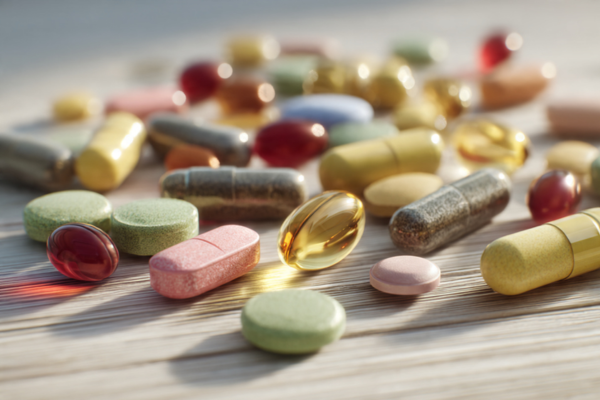
Consequently, strategic, targeted micronutrient supplementation is rapidly becoming a standard component of preconception health protocols. A comprehensive understanding of the precise role played by Essential vitamins for male and female fertility is paramount for optimizing reproductive function.
Foundational Essential Vitamins for Male and Female Fertility
These foundational micronutrients are indispensable for basic reproductive cellular function, forming the bedrock of any regimen focused on Essential vitamins for male and female fertility.
Folic Acid (Folate/Vitamin B9)
Folate, or its synthetic counterpart Folic Acid, is foundational because of its direct involvement in the most vital cellular processes.
- Mechanism: Folic Acid acts as an essential cofactor in single-carbon metabolism, making it crucial for the de novo synthesis of nucleotides (DNA and RNA building blocks) and amino acids.
This role in DNA synthesis and repair is why supplementation is universally mandated for preventing neural tube defects (NTDs) in the developing fetus. For all couples focusing on preconception health, Folic Acid is non-negotiable among the Essential vitamins for male and female fertility. - Female Efficacy: Adequate folate status is linked to higher rates of successful fertilization and implantation, supporting the overall quality and chromosomal stability of the egg.
- Male Efficacy: In men, Folate, often synergized with Zinc, supports robust spermatogenesis. Optimal levels are required for maintaining the structural integrity of sperm chromatin and ensuring the genetic completeness of the spermatozoa produced, directly impacting the quality component of the Essential vitamins for male and female fertility equation.
Vitamin D (The Immunomodulatory Secosteroid)
Often categorized as a vitamin, Vitamin D functions as a secosteroid hormone, profoundly influencing endocrine and immune systems. Deficiencies are extremely common and represent a readily correctable factor in subfertility.
- Mechanism: Vitamin D receptors (VDR) are expressed throughout the reproductive tract, including the endometrium, ovaries, and testes. It modulates the expression of genes involved in steroidogenesis (hormone production) and plays a key role in regulating the immune environment, promoting a healthy inflammatory balance crucial for successful implantation.
- Impact: Optimal Vitamin D serum levels are strongly associated with improved ovulatory function in women and enhanced androgen (testosterone) levels in men. Correction of deficiency is a critical intervention for those experiencing ovulatory dysfunction or conditions like PCOS, making it an effective measure within the scope of Essential vitamins for male and female fertility.
Coenzyme Q10 (CoQ10)
CoQ10 is a fat-soluble, vitamin-like quinone that serves a dual role as an essential component of the mitochondrial electron transport chain and as a potent antioxidant. Its importance increases dramatically with age.
- Mechanism: Inside the mitochondria—the cell’s powerhouses—CoQ10 facilitates the creation of Adenosine Triphosphate (ATP), the primary energy molecule. Oocytes are among the most energy-intensive cells in the human body, demanding vast ATP supplies for the complex process of meiosis and maturation.
- Targeting Aging: As women age, CoQ10 levels in the oocyte decline, leading to mitochondrial dysfunction and reduced egg quality—a hallmark of diminished ovarian reserve. Supplementation supports the aging oocyte’s ability to meet its energy demands.
For men, CoQ10 fuels the tail, directly boosting sperm motility and concentration by ensuring efficient energy conversion. This targeted support places CoQ10 at the forefront of Essential vitamins for male and female fertility when cellular energy is the limiting factor.
Specialized Vitamins and Antioxidants for Female Fertility
This category of Essential vitamins for male and female fertility targets hormonal regulation and supports the energy and structural integrity required for ovulation and gestation.
Myo-Inositol (Insulin Sensitizer)
Myo-Inositol, an isomer of inositol, is fundamentally involved in cellular signaling pathways, particularly those related to insulin.
- Primary Benefit: It is clinically significant for women diagnosed with PCOS. Myo-Inositol improves insulin sensitivity at the cellular level, which, in turn, helps normalize the hyperandrogenic state often seen in PCOS. By balancing insulin and reducing circulating androgens it assists in restoring regular ovulation and improving overall egg quality.
- Clinical Relevance: By normalizing the hormonal microenvironment of the ovarian follicle, Myo-Inositol directly addresses one of the most common causes of anovulatory infertility, reinforcing its status as one of the specialized Essential vitamins for male and female fertility.
Vitamin B12 and B6 (The Methylation Duo)
These water-soluble B-vitamins are crucial cofactors in the complex metabolic cycle of methylation.
- Function: B12 and B6 are vital for maintaining low plasma levels of homocysteine. Elevated homocysteine is implicated in early pregnancy complications, including recurrent loss and placental issues, due to potential effects on vascular health.
- Hormonal Support: Additionally, Vitamin B6 is a known modulator of steroid hormone receptors, playing a supportive role in synthesizing and regulating sex hormones, which can help stabilize the luteal phase—the period crucial for implantation. These B-vitamins are indispensable Essential vitamins for male and female fertility for foundational metabolic health.
Iron (Oxygen Transport Foundation)
As the body prepares for the immense physiological demands of pregnancy, robust iron stores are essential.
- Risk: Iron deficiency anemia is prevalent and strongly correlated with ovulatory infertility. Iron is central to the formation of hemoglobin, ensuring oxygen transport is efficient to all tissues, including the ovaries and the developing uterine lining.
- Gestation Prep: Adequate iron is not only necessary for maternal preconception health and energy but also for provisioning the rapidly growing placental and fetal tissues post-conception. Ensuring non-anemic iron status is a necessary practical step among the Essential vitamins for male and female fertility.
Omega-3 Fatty Acids (Anti-inflammatory Mediators)
While technically essential fats, the structural and regulatory roles of DHA and EPA necessitate their inclusion alongside Essential vitamins for male and female fertility.
- Function: DHA (Docosahexaenoic Acid) and EPA (Eicosapentaenoic Acid) are membrane fluidity regulators and precursors to powerful anti-inflammatory molecules. In the reproductive context, they support healthy cellular membranes in the egg and sperm and moderate systemic inflammation.
- Benefit: By modulating the immune response, Omega-3s help optimize the uterine environment for implantation and reduce chronic, low-grade inflammation often associated with conditions detrimental to egg quality. High-dose supplementation is a proactive measure for supporting fetal neurodevelopment.
Key Essential Vitamins for Male Fertility and Sperm Health
The focus in male fertility centers on maximizing the quantity, speed, and genetic integrity of sperm, requirements met by specific Essential vitamins for male and female fertility.
Zinc
Zinc is a critical trace element essential for testosterone metabolism and the structural integrity of the sperm. It is one of the most highly concentrated minerals in the testes.
- Function: Zinc plays an enzymatic role in DNA replication, transcription, and repair. It is required for the production of the tail structure and outer fibrous sheath of the sperm, making it crucial for flagellar function and structural resilience. Furthermore, it stabilizes the chromatin (DNA packaging) within the sperm head.
- Impact: Deficiency is a common factor in male factor infertility, manifesting as low sperm concentration and poor morphology. Targeted Zinc supplementation is a proven strategy for improving these parameters, thereby elevating its importance among the Essential vitamins for male and female fertility used to achieve optimal sperm motility and morphology.
L-Carnitine and Acetyl L-Carnitine
These amino acid derivatives are the fuel transport system for the sperm cell.
- Function: L-Carnitine is indispensable for the transport of long-chain fatty acids across the inner mitochondrial membrane of the sperm. This process is the primary source of ATP required to power the sperm’s flagellum. Acetyl L-Carnitine also functions as an antioxidant, offering protection at the mitochondrial level.
- Primary Benefit: Clinical data consistently support the use of L-Carnitine for dramatically enhancing progressive sperm motility and overall vitality.
By ensuring adequate energy supply, it counteracts one of the most common issues in male fertility—asthenozoospermia (poor movement). This mechanism firmly establishes L-Carnitine as a critical member of the Essential vitamins for the male and female fertility cohort.
Vitamin C and Vitamin E (The Antioxidant Cascade)
This vitamin pair represents a potent, synergistic defense against destructive oxidative stress.
- Function: Vitamin E is a fat-soluble antioxidant that embeds itself within the sperm membrane, protecting the fatty acids from free-radical damage. Vitamin C, being water-soluble, operates in the surrounding seminal fluid and, crucially, regenerates oxidized Vitamin E back into its active antioxidant form.
- Benefit: Together, they protect the sperm from oxidative stress that causes sperm DNA integrity defects, such as fragmentation. High levels of sperm DNA integrity are directly linked to better fertilization rates, successful embryo development, and lower miscarriage risk. Mitigating damage through these Essential vitamins for male and female fertility is a key step in improving male genetic contribution.
Selenium
Selenium is an essential trace element integral to several antioxidant defense enzymes, particularly in the reproductive system.
- Function: Selenium is required for the proper function of glutathione peroxidase, a major free-radical scavenging enzyme. In men, it is structurally incorporated into the protein capsule surrounding the mitochondrial sheath in the sperm’s midpiece, supporting motility and structural stability.
- Impact: Maintaining adequate Selenium status is vital for protecting the sperm from oxidative stress and ensuring the proper maturation and stability of the sperm tail. Low levels correlate with poor sperm motility and flagellar deformities, making it a powerful, though required, addition to the Essential vitamins for male and female fertility profile.
V. Maximizing Effectiveness and Safety
Identifying the Essential vitamins for male and female fertility is only the first step; maximizing their therapeutic impact requires a strategic approach.
- Timing is Biological: The 90-day window is non-negotiable for success because it reflects the full biological cycle of gamete maturation.
To ensure the ovulated egg and ejaculated sperm are fully provisioned with these Essential vitamins for male and female fertility, supplementation must begin at least three months prior to any conception attempt.
This aligns the nutritional peak with the final, most vulnerable stages of oogenesis and spermatogenesis, significantly improving the quality of the genetic material. This focus on long-term preconception health dramatically improves clinical outcomes. - Dietary Synergy: Supplements should bridge nutritional gaps, not replace a healthy diet. Nutrient absorption and utilization are maximized when a foundation of whole foods—rich in natural vitamins, minerals, and polyphenols—is present. A diet high in antioxidant-rich fruits and vegetables enhances the efficacy of supplemental Essential vitamins for male and female fertility.
- Consultation and Safety: While these nutrients are generally safe, high-dose supplementation can be counterproductive or interact with other treatments. Certain fat-soluble vitamins, like preformed Vitamin A (retinol), can be teratogenic in high doses during early pregnancy.
Always consult with a reproductive endocrinologist or a specialized fertility dietitian to personalize dosages, especially for correcting deficiencies like low Vitamin D or managing conditions like PCOS. This ensures a safe and therapeutically optimized regimen of Essential vitamins for male and female fertility.
Which vitamin is most important for fertility?
While no single nutrient can be crowned “most important,” Folic Acid (Vitamin B9) is the highest priority due to its irrefutable role in preventing neural tube defects. However, from a cellular optimization perspective, CoQ10 and Vitamin D are arguably the most impactful Essential vitamins for male and female fertility for cellular function. CoQ10 directly addresses age-related decline in egg quality and poor sperm motility by fueling mitochondrial ATP production. Vitamin D regulates the immune and endocrine systems, which are foundational for a healthy reproductive environment. The true most critical vitamin is always the one an individual is deficient in.
How does Myo-Inositol help women with PCOS?
Myo-Inositol addresses the core pathophysiology of PCOS, which is often insulin resistance. It acts as a secondary messenger that mimics and amplifies insulin signaling within the cell. Improving insulin sensitivity in the ovaries reduces the compensatory hyperinsulinemia that drives excessive androgen (male hormone) production. This hormonal rebalancing allows for more regular and higher-quality follicle maturation and ovulation, thereby restoring menstrual cyclicity and significantly improving fertility potential for those dealing with PCOS. Myo-Inositol is recognized as one of the most effective non-hormonal Essential vitamins for male and female fertility for this specific condition.
What is the risk of over-supplementation with fertility vitamins?
Over-supplementation is a genuine concern. High intake of fat-soluble vitamins, particularly Vitamin A (retinol) and, in extreme cases, Vitamin D and Selenium, can lead to toxicity. For example, excessive intake of preformed Vitamin A can cause congenital birth defects. Minerals like Zinc can also interfere with the absorption of other essential minerals, such as copper. Furthermore, indiscriminate use of antioxidants may disrupt the natural signaling processes required for sperm capacitation. This emphasizes why professional guidance is mandatory to ensure the regimen of Essential vitamins for male and female fertility is therapeutic rather than harmful.
Can supplements actually improve egg and sperm quality?
Yes, the evidence indicates a strong potential for improvement, especially when suboptimal baseline parameters exist. Supplements function by reducing oxidative stress and providing necessary cofactors. For sperm, nutrients like L-Carnitine, Zinc, and the Vitamin C/E antioxidant cascade have repeatedly shown improvement in sperm motility, count, and morphology, as they protect sperm DNA integrity. For eggs, CoQ10 supplementation is used to boost mitochondrial function, a key factor in improving egg quality and counteracting the effects of diminished ovarian reserve. These Essential vitamins for male and female fertility support the biological processes needed to create healthier gametes.