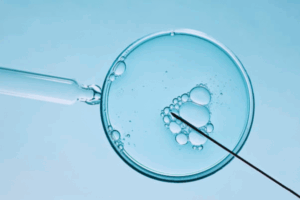


In 2026, the path to parenthood is more informed than ever before through advanced diagnostic tools. For patients over the age of 40, PGT-A was found to increase live birth rates by nearly 30% compared to those not using the screening.
Key Takeaways
| Question | Key Information for 2026 |
|---|---|
| What is the primary benefit of PGT? | It identifies embryos with chromosomal abnormalities to improve success rates. Learn more about Preimplantation Genetic Testing (PGT). |
| How does carrier screening help? | It identifies parental risks for recessive disorders before conception. See details on genetic risk factors. |
| Is testing required for IVF? | While not always mandatory, it is highly recommended for personalized care. View our IVF procedures. |
| What is the turnaround time? | Most results are available within 7 to 14 days in current 2026 laboratory settings. |
| Where can I start testing? | Contact our professional fertility clinic for a consultation. |
Understanding Preimplantation Genetic Testing (PGT) for Genetic Diseases
We use Preimplantation Genetic Testing (PGT) as a sophisticated technique in conjunction with In Vitro Fertilization (IVF). This process allows our embryologists to analyze the genetic makeup of embryos before they are transferred to the uterus. By selecting embryos free from specific abnormalities, we can improve the chances of a healthy pregnancy. In 2026, we categorize these tests into specialized types like PGT-M for single-gene disorders and PGT-SR for structural rearrangements. Our clinic also utilizes these methods for family balancing through sex selection. This ensures that parents have access to the most comprehensive data regarding their future children’s health.
Genetic Testing for Family Planning: Proactive Risk Assessment
Proactive steps in family building increasingly involve genetic testing for family planning in early 2026. This process allows individuals and couples to gain critical insights into their potential to pass on inherited conditions. Carrier screening serves as a common initial step to identify mutations for recessive disorders. Identifying these risks before conception helps us develop a safer reproductive strategy for your family. We believe that understanding your genetic blueprint is essential for modern family building. Our team provides detailed guidance on family planning options based on your unique results.


Advanced Fertility Testing and Diagnosis for Successful IVF
The first step in any fertility journey is a comprehensive consultation and medical history review. In our 2026 diagnostic protocol, we include hormonal assays, ultrasounds, and detailed semen analysis to build your profile. These diagnostic tests help our specialists create a personalized treatment plan for every couple. We focus on identifying the biological causes of infertility that may have been previously overlooked.
“Precision diagnostics are the foundation of successful fertility outcomes in 2026.”
A concise, visual guide outlining the five-step process of genetic testing in infertility diagnostics. This infographic helps patients and clinicians understand testing options and expected outcomes.

Overcoming Male Factor Infertility with Specialized Diagnostics
Male factor infertility contributed to a significant portion of all infertility cases globally in 2026. We provide specialized sperm retrieval techniques such as TESA, PESA, and TESE for complex cases. These procedures allow us to obtain viable sperm even when none are present in the ejaculate. Our sperm retrieval services are performed by highly skilled specialists in a sterile environment.
Did You Know?
48.28% live birth rate was achieved in IVF cycles utilizing PGT-A, compared to 34.74% in conventional IVF groups.


The Role of ICSI in Navigating Genetic Challenges
Intracytoplasmic Sperm Injection (ICSI) provides a significant advantage when male factor infertility is a concern. Our embryologists select a single, healthy sperm and inject it directly into the egg. This technique is often combined with IVF to overcome fertilization failures or low motility issues. You can explore our ICSI services to see how they integrate with your treatment plan. By ensuring fertilization occurs at the cellular level, we can proceed to the genetic testing phase with more confidence. This is particularly useful in cases of abnormal sperm morphology discovered during initial diagnostics.
Intrauterine Insemination (IUI) and Genetic Screening
Intrauterine Insemination (IUI) involves placing prepared sperm directly into the uterus around the time of ovulation. We often recommend this for unexplained infertility or mild male factor issues where less invasive options are preferred. Before undergoing IUI, we may suggest basic genetic screening for both partners. This ensures that the biological foundation for conception is sound before starting the IUI process. Our clinic focuses on timing these procedures perfectly with your natural or induced cycle. This increases the likelihood of a successful pregnancy while minimizing more complex interventio
Cryopreservation and the Genetics of Future Planning
Cryopreservation offers a way to safeguard your fertility by freezing sperm or embryos for future use. In 2026, we use vitrification techniques to ensure the highest survival rates for frozen genetic material. This is an excellent option for individuals facing medical treatments that might affect fertility. Our cryopreservation services provide long-term storage solutions in liquid nitrogen. Many patients choose to freeze embryos after they have undergone genetic testing. This allows for future transfers using embryos that are already known to be chromosomally healthy.
Did You Know?
Standard carrier screening for just three common genes (CFTR, SMN1, and FMR1) misses more than 50% of couples at risk for high-impact genetic conditions.
Third-Party Reproduction: Screening Donors and Embryos
Third-party reproduction involves the use of donated eggs, sperm, or embryos to build a family. We maintain rigorous screening standards for all donors in our programs. Potential donors undergo extensive medical evaluations and genetic testing for infectious diseases and hereditary conditions. This protective layer ensures the health of the recipient and the future child. For those considering embryo adoption, we provide detailed genetic histories where available. This allows parents to make informed decisions about the embryos they choose to transfer.
Oocyte Donation and Managing Genetic Risks in 2026
Oocyte donation is a vital form of ART for those with diminished ovarian reserve or premature menopause. We manage every egg donation cycle with precise coordination between donor and recipient. Donors are carefully selected based on their health profiles and genetic screenings. This process helps mitigate risks related to chromosomal issues that often increase with maternal age. We also assist recipients in understanding the genetic implications of using donated eggs. Our specialists provide support for both the medical and legal aspects of the donation process.
The Future of Mitochondrial Replacement Therapy (MRT)
In 2026, we are at the forefront of emerging technologies like Mitochondrial Replacement Therapy (MRT). This advanced diagnostic and therapeutic field aims to prevent the transmission of mitochondrial diseases. While still specialized, this technique represents the future of genetic medicine in fertility clinics. We continue to monitor research and implementation standards to provide the safest options. Our commitment to fertility advancement ensures that our patients have access to the latest scientific breakthroughs. We believe that every diagnostic tool brings us closer to your goal of a healthy family.

Conclusion
Genetic testing and infertility diagnostics have become the cornerstone of successful family planning in 2026. By utilizing PGT, carrier screening, and advanced sperm retrieval techniques, we provide a pathway to parenthood that is both safe and effective. Our clinic remains dedicated to offering personalized care plans that address your specific genetic and biological needs. We encourage you to explore our full range of services to understand how we can support your journey. Whether you are starting with a simple diagnostic test or moving toward a complex IVF cycle, our team is here for you. We look forward to helping you achieve your dreams of starting or expanding your family this year.